

 Why Your Car Might Develop Wind Noise After an Accident
Before an accident, most cars are relatively quiet on the highway. But post-collision, you may have noticed an unfamiliar whistling sound near the driver’s door or a rushing noise that becomes more noticeable as you accelerate. Although the vehicle looks normal from the outside, something has changed. And the problem may be connected to collision damage that isn’t immediately visible.
Repairing collision damage involves more than restoring a vehicle’s appearance. Even a relatively minor accident can affect how doors, windows, mirrors, and body panels fit together. These potentially create gaps that allow air to move through areas that were previously sealed. Consequently, new wind noise after an accident deserves attention, particularly when the sound wasn’t present before the collision.
Why Wind Noise Can Develop After a Collision
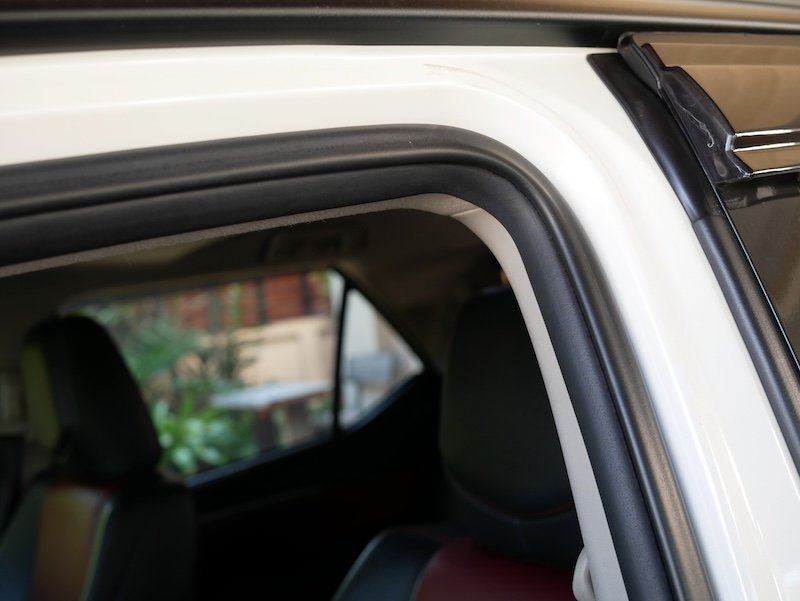
Vehicle manufacturers carefully engineer the relationship between body panels, window glass, weatherstripping, and exterior components to minimize wind resistance and keep the passenger compartment quiet. However, when a collision changes the position of even one of these components, airflow around the vehicle can change enough to produce noticeable noise. For example, a door might shift slightly within its opening. A window seal may lose consistent contact. Or a mirror housing could develop a small gap that creates turbulence. Although these differences may go unnoticed at lower speeds, they often increase in intensity on the highway, where increased airflow can produce whistling, humming, or rushing sounds.
Because several components can produce similar noises, identifying the actual source requires more than simply replacing a rubber seal or adjusting a door.
Door Alignment and Weatherstripping Problems
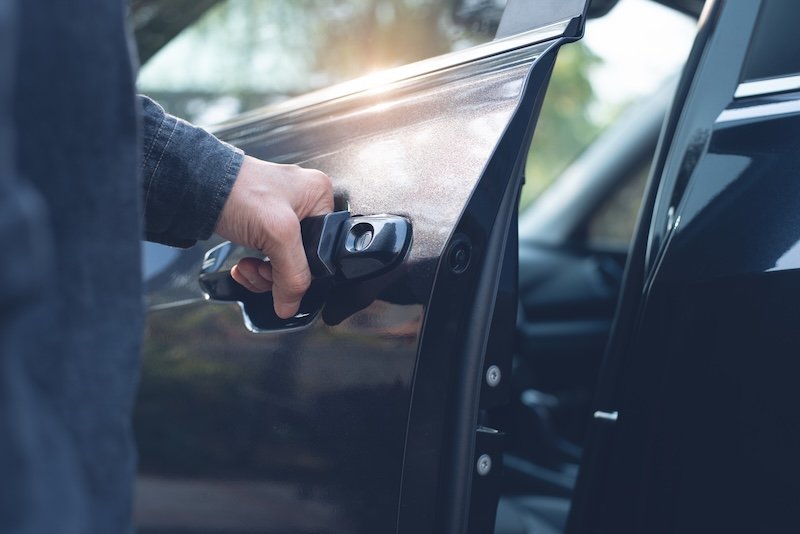 One of the first areas we consider when investigating collision-related wind noise is door alignment. Vehicle doors must fit precisely within their openings to maintain proper contact with surrounding seals. During an accident, impact forces can affect hinges, latches, door frames, or nearby body structures. This sometimes creates subtle alignment changes even when the door continues opening and closing normally. Accidents and subsequent repairs can also damage or displace weatherstripping. These flexible rubber seals help prevent wind, water, and dust from entering the passenger compartment. However, even a small gap can compromise their effectiveness.
Several warning signs may indicate a door alignment or sealing problem:
- Uneven gaps between doors and adjacent body panels.
- A door that requires additional force to close.
- Whistling or rushing sounds near the upper window frame.
- Weatherstripping that appears torn, flattened, or displaced.
- Water entering around a door during rain or washing.
Although replacing damaged weatherstripping may resolve some problems, it won’t necessarily correct wind noise caused by improper door alignment. This is why we evaluate how the affected components fit together before determining which repairs are appropriate.
Window Glass and Windshield Sealing Issues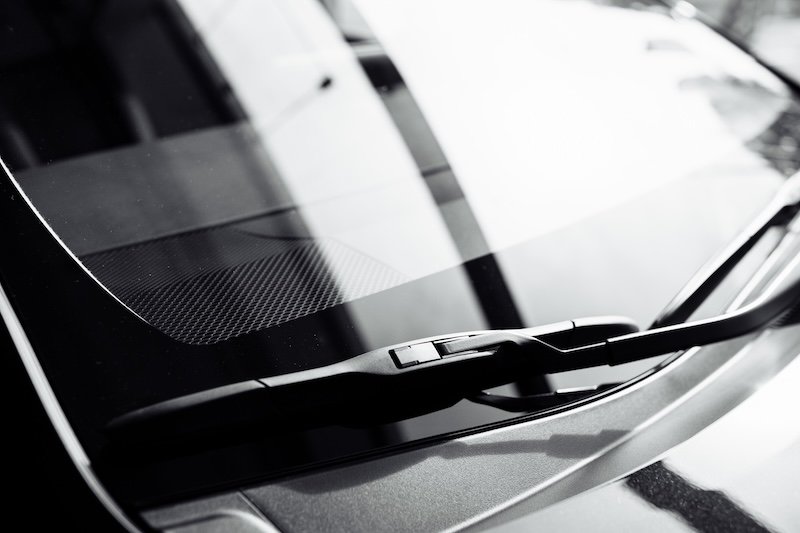
Another potential source of wind noise involves the vehicle’s glass. This is particularly true when windows or windshields were damaged, removed, or replaced during collision repairs. Glass must fit correctly within its opening. So, even a slight positioning or sealing problem can allow air to pass through areas that should remain protected. For instance, a side window may appear fully closed while leaving a narrow gap along its upper edge. This occurs if the door frame shifted during the collision. Similarly, improper windshield sealing can produce a whistle that becomes increasingly noticeable as vehicle speed rises.
Since windshields also contribute to vehicle safety and may support certain driver-assistance systems, proper installation involves considerably more than eliminating an annoying sound. If glass fitment appears questionable after an accident, professional evaluation can help determine whether the problem involves the glass, surrounding structure, or installation.
 Side Mirrors and Exterior Trim Can Create Unexpected Noise
But not every wind noise originates from air entering the passenger compartment. Sometimes, the sound develops because airflow moves differently around an exterior component that was damaged or improperly positioned during the collision. Side mirrors are particularly susceptible because they sit directly in the airflow along the front doors. If a mirror housing has a loose cover, damaged mounting point, or small gap where it attaches to the door, the resulting turbulence can produce a whistle that sounds remarkably similar to a leaking window seal.
Likewise, loose windshield moldings, displaced pillar trim, and improperly secured exterior panels can change how air moves around the vehicle. Consequently, identifying the source of wind noise requires examining surrounding components. This is important rather than assuming the nearest window or door seal is responsible.
Could Wind Noise Indicate Hidden Structural Damage?
Although many wind noise complaints involve relatively straightforward fitment problems, some can indicate underlying collision damage that affects the vehicle’s body structure. Because the body establishes the relationship between doors, pillars, windows, and roof openings, even subtle structural movement can change how these components align. For example, an impact near the front corner of a vehicle may transfer force into adjoining structures, potentially affecting the fit of a nearby door. Similarly, damage involving pillars or roof rails can influence window alignment and weatherstripping contact. This can occur even when the most obvious damage appears elsewhere.
This doesn’t mean every unfamiliar whistle indicates structural damage. However, when new wind noise develops after a collision, a thorough inspection can help distinguish between a simple sealing problem and a more significant alignment concern.
 What Should You Do If Wind Noise Starts After an Accident?
If you notice unfamiliar wind noise following collision repairs, pay attention to the circumstances in which it occurs. Those details may help identify the source. For example, note whether the sound begins at a particular speed, becomes louder in a headwind, or seems concentrated near a specific door, window, or mirror.
At Adesa Auto Body in Boise, Idaho, we take a comprehensive approach to collision repair, paying attention to the details that influence your vehicle’s appearance, performance, and safety. If you’ve noticed wind noise, uneven panel gaps, or other unfamiliar symptoms after an accident, our team can evaluate the affected areas and help determine the appropriate next steps.
About Adesa Auto Body in Boise, Idaho
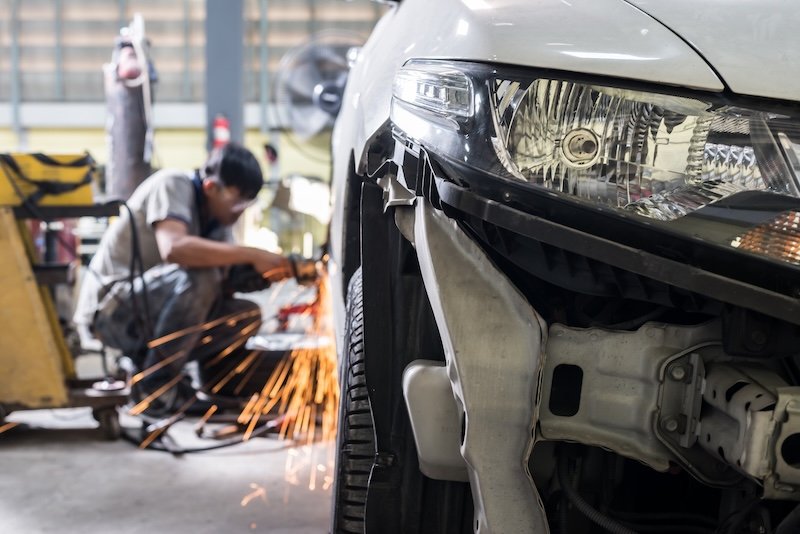 Since 2015, Adesa Auto Body has provided premium collision repair services to drivers throughout Boise, Meridian, Eagle, Nampa, Kuna, Star, and the greater Treasure Valley. As an independent I-CAR Gold Class collision repair facility, Adesa Auto Body follows OEM repair procedures, uses manufacturer-approved methods, and works with all insurance companies while always putting the vehicle owner’s interests first. From minor dents to major collision repairs, aluminum body repair, paint refinishing, and insurance claim assistance, the team remains committed to restoring every vehicle safely, accurately, and with exceptional customer service.