 OEM Parts
After a collision, a replacement part can look surprisingly simple on an estimate. A bumper is a bumper, a fender is a fender, and a headlight is a headlight—right? Not necessarily. Modern vehicles rely on thousands of components engineered to work together as a complete system. Manufacturers design, test, and build those components to specific dimensions, materials, tolerances, and performance standards. When an accident damages one of them, the replacement part becomes part of that system.
That’s why at Adesa Auto Body in Boise, Idaho, we use OEM parts. Aftermarket parts can sometimes save money, but saving money on a replacement component isn’t our primary objective. Our responsibility is to our customer and the vehicle we’re repairing.
What Does OEM Parts Mean?
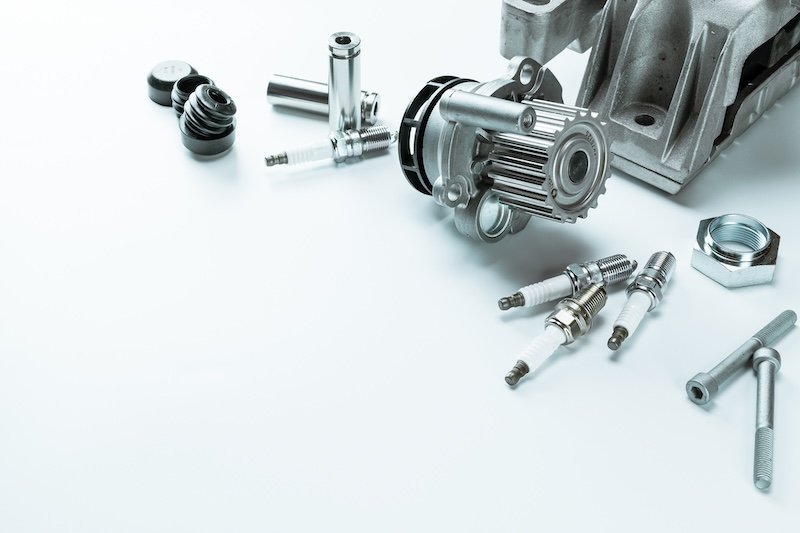
OEM stands for Original Equipment Manufacturer. An OEM replacement part comes from the vehicle manufacturer and matches the type of component originally installed when the vehicle was built.
Aftermarket parts come from companies other than the original vehicle manufacturer. They may cost less, which helps explain why they sometimes appear on collision repair estimates or insurance appraisals.
We understand the attraction. Collision repairs can become expensive, and everyone involved has an interest in controlling unnecessary costs. However, we don’t believe price alone should determine which parts go onto a customer’s vehicle.
When we’re repairing a vehicle, we want parts designed specifically for that vehicle.
 Aftermarket Parts Can Save Money—but That’s Not Our Priority
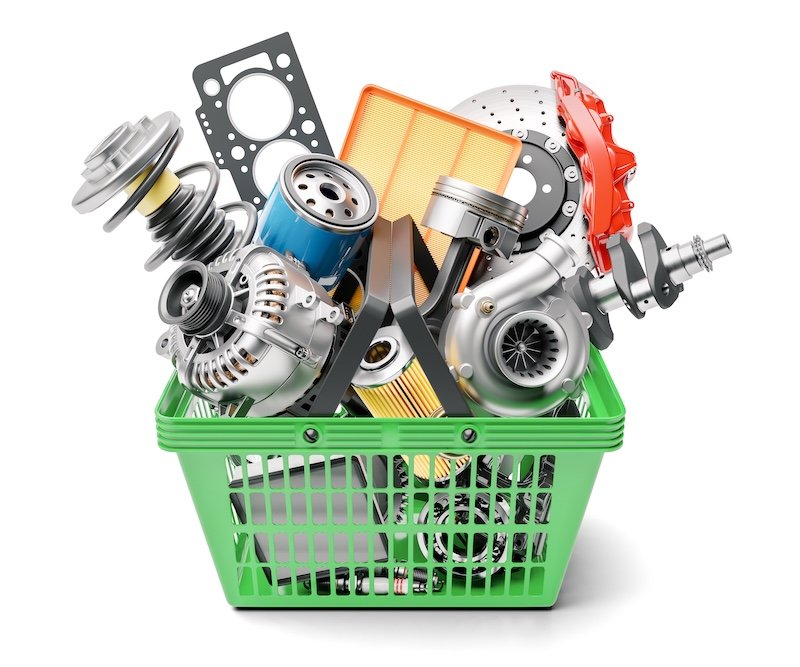
There’s nothing complicated about one of the primary arguments for aftermarket collision parts: they can cost less. For an insurance company trying to manage claim costs, that difference can matter. For a repair facility focused heavily on price, less expensive components may also help reduce the estimate.
At Adesa Auto Body, we look at the decision from the customer’s perspective. You didn’t ask to have your vehicle damaged. Before the collision, your vehicle contained parts engineered for that specific make and model. Our goal isn’t to determine how cheaply we can put the vehicle back together. Instead, we want to repair it using the parts and procedures we believe best support a proper repair.
This philosophy puts the vehicle owner at the center of the decision.
Fit Matters More Than You Might Think
Replacement collision parts need to do more than occupy the correct space. Proper dimensions and fit affect how surrounding components come together. A slight difference can influence panel gaps, alignment, mounting points, trim installation, or how adjacent components fit. What appears like a small variation on an individual part can create additional challenges during the repair process. OEM parts provide us with components manufactured to the vehicle manufacturer’s specifications. That consistency helps our technicians restore the vehicle as accurately as possible.
It also matters cosmetically. Drivers expect repaired panels to align properly and the finished vehicle to look like their vehicle again—not like a collection of replacement pieces.
Materials and Construction Matter, Too
 Collision components aren’t necessarily interchangeable simply because they have the same general shape. Manufacturers select specific materials, thicknesses, attachment methods, and construction techniques as part of a vehicle’s overall engineering. Modern vehicles may incorporate multiple types of steel, aluminum, composites, plastics, and other materials throughout the body. These engineering decisions can influence how components interact during normal operation and during a collision. That’s another reason we don’t want to make assumptions based simply on appearance. Following manufacturer information and using OEM components allows us to stay closer to the vehicle’s original design.
Today’s Vehicles Make Parts Decisions Even More Important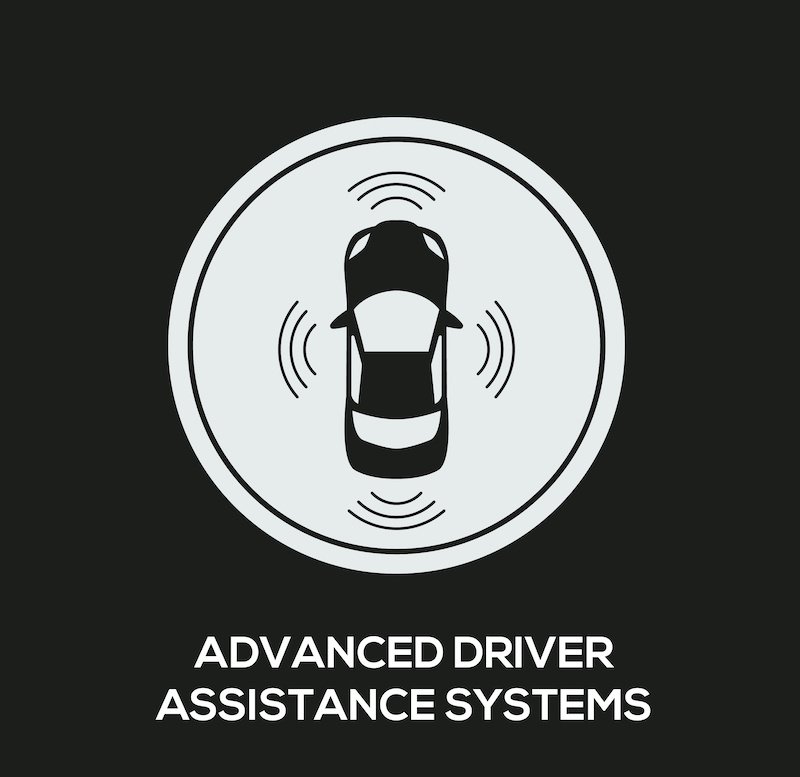
Collision repair has changed dramatically as vehicles have added advanced technology. Cameras, radar units, ultrasonic sensors, blind-spot monitoring systems, parking sensors, adaptive cruise control, lane-assistance technology, and other Advanced Driver Assistance Systems—commonly called ADAS—may interact with components damaged during a collision. Sometimes technology sits in places drivers wouldn’t expect. A bumper cover, grille, windshield, mirror, or emblem may have a relationship with an ADAS component or sensor.
As a result, replacing a damaged part isn’t always an isolated cosmetic decision. At Adesa Auto Body, we perform ADAS calibrations when required as part of the repair process. Using OEM parts complements our commitment to following manufacturer repair information and returning the vehicle to the customer with careful attention to the systems involved.
We Follow OEM Repair Procedures Whenever Applicable
 Our OEM-parts policy reflects a larger philosophy about collision repair. We follow OEM repair procedures whenever applicable because the vehicle manufacturer provides information about how its vehicles should be repaired. Those procedures can address everything from component replacement and attachment methods to measurements, materials, calibrations, and inspections. Rather than developing our own shortcuts, we use that information to guide the repair. OEM parts fit naturally within that approach. If we’re investing the time and effort required to research manufacturer procedures, use advanced equipment, complete necessary calibrations, and carefully inspect our work, choosing components designed for that vehicle makes sense.
What Happens When Insurance Is Involved?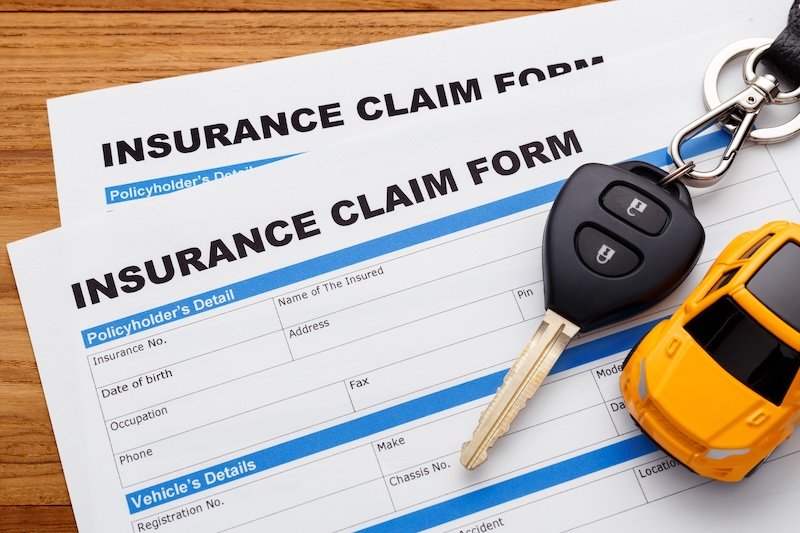
Insurance companies play an important role in collision claims, but an insurance estimate and a repair plan aren’t necessarily the same thing. An insurer may initially write an estimate based on what an adjuster can see, its estimating guidelines, policy provisions, or available parts information. Once we disassemble the vehicle, we may discover additional damage or identify manufacturer-required operations that weren’t included initially. Parts can become part of that conversation as well.
When questions arise, we document the repair and communicate with the insurance company. We work directly with insurers every day, but we don’t forget who owns the vehicle.
Our customer does.
 That distinction drives our approach. Cost matters, but it doesn’t override our commitment to performing the repair according to our standards.
Our Customers Deserve a Repair Philosophy They Can Understand
Vehicle owners shouldn’t need a degree in collision engineering to make sense of their repairs. They should, however, know what kind of shop they’ve chosen and what principles guide its decisions. At Adesa Auto Body, ours are straightforward. We use OEM parts because we want components designed for the vehicle we’re repairing. We follow OEM procedures whenever applicable. We use advanced repair and diagnostic equipment. We perform ADAS calibrations when necessary. And throughout the process, we communicate with our customers about their repairs. Could an aftermarket part sometimes cost less? Absolutely. But the least expensive option isn’t automatically the option we want for our customers.
After an accident, you trust a collision center with a vehicle that carries you, your family, and the people who matter to you. We take that responsibility seriously. Our interest lies in the customer and in performing the repair with the parts, procedures, equipment, and attention we believe the vehicle deserves.
About Adesa Auto Body in Boise, Idaho
Adesa Auto Body has proudly served Boise, Meridian, Eagle, Kuna, Nampa, Caldwell, and the surrounding Treasure Valley for more than a decade, providing expert collision repair backed by exceptional customer service. Their highly trained technicians follow OEM repair procedures whenever applicable, utilize advanced repair equipment, perform ADAS calibrations, and communicate openly throughout every stage of the repair process. Whether your vehicle has minor cosmetic damage or requires extensive structural repairs, Adesa Auto Body is committed to restoring it safely, accurately, and with the quality workmanship your family can trust.