 The Hidden Technology Inside Your Bumper: Why Modern Collision Repair Is More Complicated Than It Looks
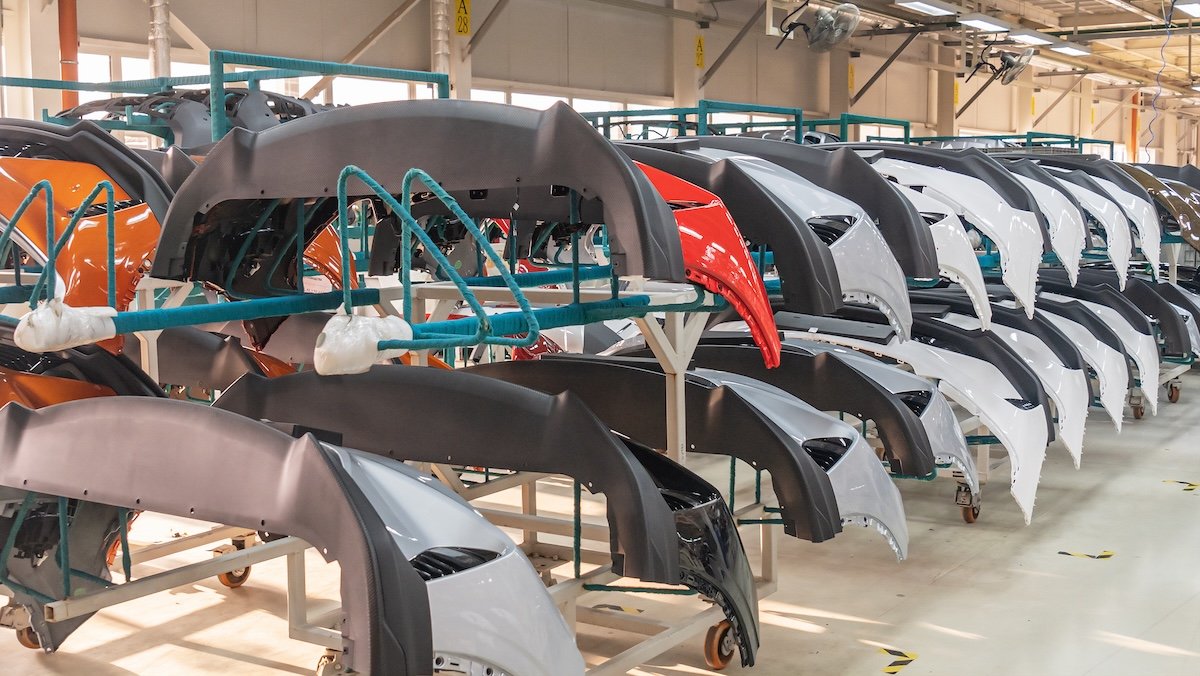
A bumper used to have a relatively straightforward job: absorb some of the impact during a collision and help protect the vehicle behind it. Today, what looks like a molded piece of plastic may conceal thousands of dollars’ worth of sophisticated technology. Radar units, parking sensors, cameras, wiring harnesses, brackets, and other electronic components can sit behind or within modern bumper covers. Depending on the vehicle, those components may support adaptive cruise control, blind spot monitoring, pedestrian detection, automatic emergency braking, and other Advanced Driver Assistance Systems (ADAS).
Your Bumper Is More Than a Piece of Plastic
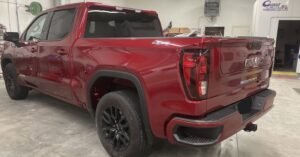
When people refer to a “bumper,” they often mean the painted plastic bumper cover they can see from the outside. However, the complete bumper assembly may include reinforcement components, energy absorbers, mounting brackets, wiring, sensors, and electronic modules. Vehicle manufacturers carefully position many of these components so they can perform their intended functions. A sensor that moves only slightly during a collision may no longer point in precisely the right direction.
This matters because ADAS technologies depend on accurate information about the vehicle’s surroundings.
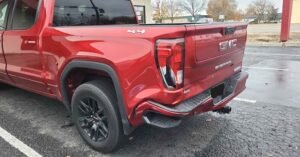
A bumper can look perfectly acceptable after a low-speed accident while hiding damaged brackets, displaced sensors, cracked mounting points, or compromised wiring underneath. Therefore, technicians cannot determine the full extent of collision damage simply by looking at the exterior.
Radar May Be Hiding Behind the Bumper Cover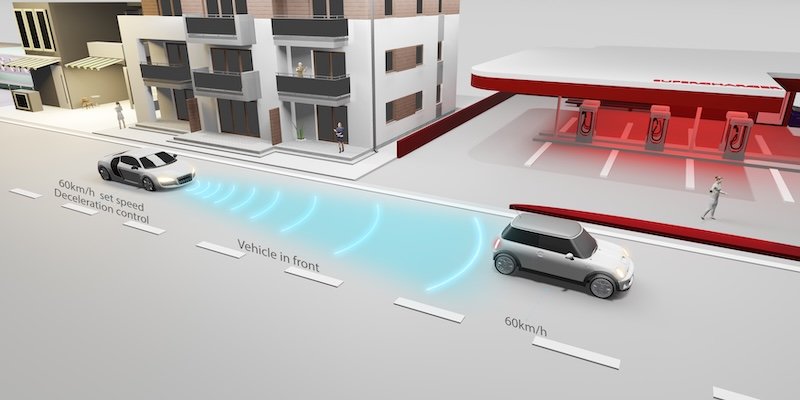
Radar plays an increasingly important role in modern vehicles. Depending on the make and model, manufacturers may install radar sensors behind the front bumper, rear bumper, grille, or other exterior components. These sensors send signals outward and measure how those signals reflect from objects around the vehicle. The vehicle’s computer then uses that information to calculate distance, speed, and positioning. Radar may support features such as:
- Adaptive cruise control
- Forward collision warning
- Automatic emergency braking
- Blind spot monitoring
- Rear cross-traffic alerts
- Collision avoidance systems
A collision does not necessarily have to destroy the radar unit to interfere with its operation. The impact could move a mounting bracket or alter the sensor’s position. Even if the sensor still communicates with the vehicle’s computer, its physical alignment may no longer meet manufacturer specifications.
Consequently, proper collision repair requires inspection, diagnostic scanning, precise repairs, and calibration—not simply replacing the bumper cover.
 Parking Sensors Can Sustain Hidden Damage
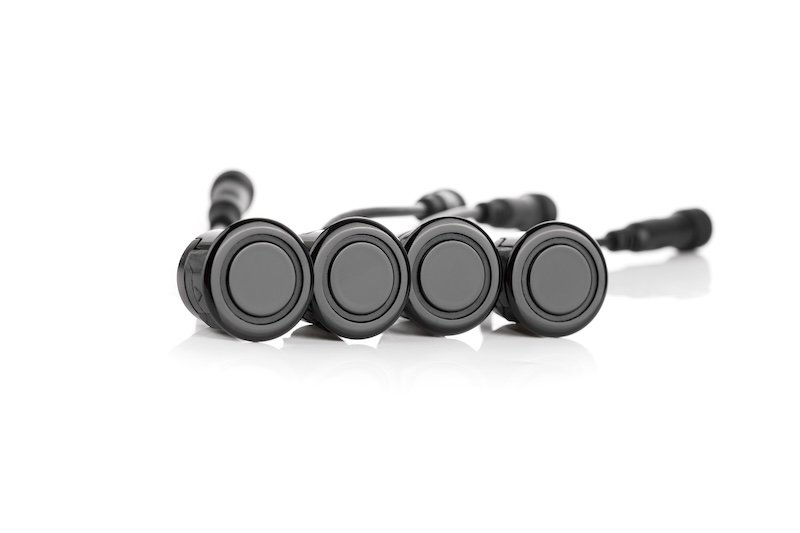
Those small circles you see across many modern bumpers typically house ultrasonic parking sensors. They help determine how close your vehicle sits to another car, wall, post, shopping cart, or other obstacle. Drivers have grown accustomed to hearing warning tones increase as they approach an object. Some vehicles also display visual distance indicators or combine sensor information with cameras to create a more complete view around the vehicle. Because manufacturers mount these sensors directly in or behind the bumper cover, even a minor impact can affect them.
For example, a parking lot collision could damage a sensor, its wiring, connector, holder, or mounting position. Furthermore, repairs involving the bumper itself may require technicians to follow specific manufacturer procedures for reinstalling or testing those components.
That small circle in the bumper may look insignificant, but it belongs to a much larger electronic safety system.
Adaptive Cruise Control Depends on Accurate Information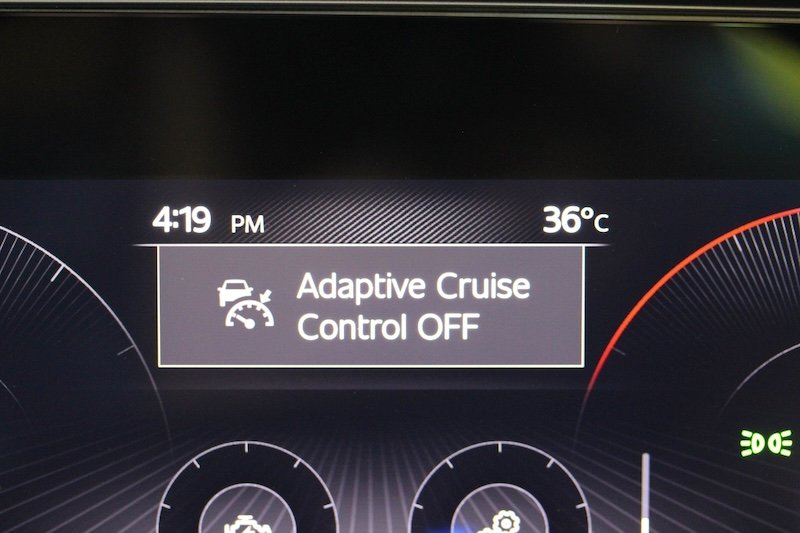
Most adaptive cruise control goes beyond maintaining a preset speed. The system can monitor traffic ahead and adjust the vehicle’s speed to maintain a selected following distance. Radar frequently provides the information that makes this possible. If a front-end collision affects the radar sensor or its mounting location, the system may require calibration after repairs. Calibration allows technicians to confirm that sensors point and respond according to the manufacturer’s specifications.
Skipping this step can create a serious problem. A bumper might look brand new while the technology behind it no longer operates as the manufacturer intended. That distinction illustrates why choosing a collision repair facility based solely on the lowest estimate can prove misleading. Two estimates may differ because one repair plan accounts for required diagnostics, procedures, calibrations, and related operations while another does not.
Blind Spot Monitoring Often Relies on Rear Bumper Technology
 Many drivers associate blind spot monitoring with the warning light that appears in a side mirror. However, the technology responsible for that warning may sit much farther back. Manufacturers commonly position radar sensors behind the rear bumper, where they monitor vehicles approaching from either side. Those same sensors may also support rear cross-traffic alerts when a driver backs out of a parking space. A rear-end or corner impact can affect these systems even when the damage appears relatively minor. For instance, damage near one side of the bumper could disturb a radar unit or its bracket. Meanwhile, a sensor hidden behind an undamaged-looking section of the bumper could still have shifted because collision forces traveled through the assembly.
That means technicians need to understand not only what they can see but also which electronic systems occupy the damaged area.
Pedestrian Detection Adds Another Layer of Complexity
Modern vehicles increasingly use combinations of cameras, radar, and other sensors to identify pedestrians, cyclists, vehicles, and obstacles. Pedestrian detection may work together with forward collision warning and automatic emergency braking. If the vehicle detects a potential collision, it can warn the driver and, on some vehicles, automatically apply the brakes when the driver does not respond quickly enough. These systems depend on accurate input.
After a collision, technicians must consider whether the impact affected any component that contributes to those safety features. Depending on the vehicle and repair, manufacturer procedures may call for diagnostic scans, component replacement, aiming, calibration, road testing, or other specific operations.
Collision repair has increasingly become a combination of structural repair, refinishing, mechanical work, electronics, diagnostics, and computer technology.
Why a “Minor” Bumper Accident May Not Be Minor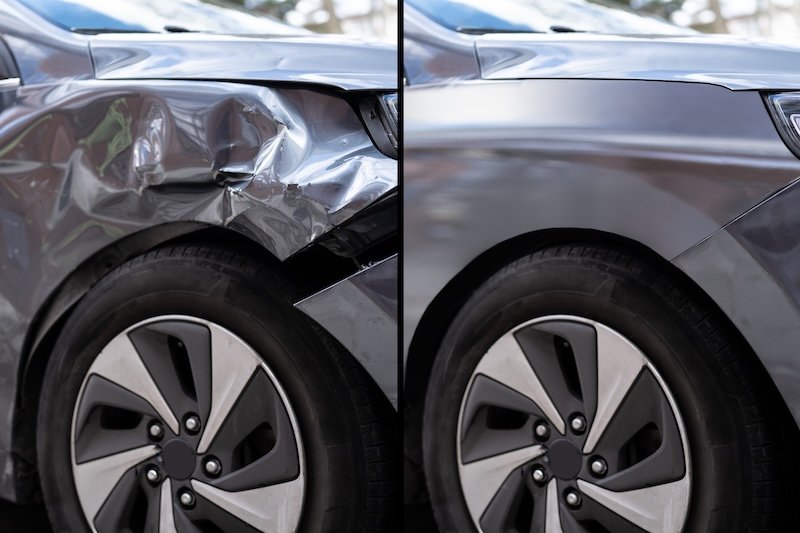
Suppose someone backs into your vehicle in a Boise parking lot. You see a scrape, a small dent, and perhaps a slightly misaligned bumper cover. It would be easy to assume the repair only involves cosmetic work. However, removing the bumper cover could reveal much more.
Technicians might discover:
- Broken sensor brackets or mounting tabs
- Damaged wiring or electrical connectors
- A displaced radar sensor
- Cracked reinforcement components
- Damage to the energy absorber
- Hidden structural damage
- Diagnostic trouble codes related to ADAS features
This hidden damage also helps explain why collision repair estimates sometimes change after technicians disassemble the vehicle. An initial estimate can only account for damage that technicians can reasonably identify before teardown. Once they remove exterior components and inspect the underlying structure and technology, they may need to submit a supplement to the insurance company for additional necessary repairs.
That does not automatically mean someone “missed” the damage during the estimate. In many cases, the bumper cover physically prevented anyone from seeing it.
OEM Repair Procedures Matter More Than Ever
Vehicle manufacturers publish repair procedures that specify how technicians should address particular components and systems following a collision. Those procedures can cover far more than how to remove and install a bumper. Depending on the vehicle, they may identify when a sensor requires calibration, whether certain brackets can be repaired or must be replaced, where technicians can perform specific repairs, and what diagnostic procedures should occur before and after the work.
The Repair Isn’t Finished When the Paint Dries
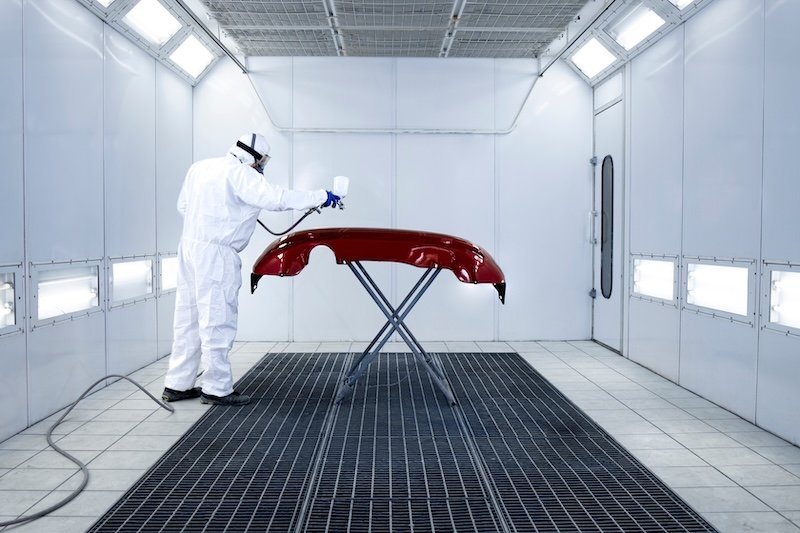
Restoring the bumper’s appearance certainly matters. Proper color matching, refinishing, panel alignment, and fit all contribute to a quality repair. However, appearance represents only part of the job. When ADAS components become involved, technicians also need to address the systems behind the bumper. That may include pre-repair scanning, post-repair scanning, sensor inspection, calibration, and verification that affected features operate properly.
Ultimately, the goal should not involve making a damaged vehicle look repaired. The goal involves performing the complete repair correctly.
Trust Your Vehicle to an Experienced Boise Collision Repair Team
Cars have changed dramatically, and collision repair has changed with them. A bumper that once consisted primarily of impact protection can now serve as a carefully engineered home for technology that constantly monitors the road around you. Therefore, when your vehicle suffers front- or rear-end damage, the visible scrape or dent tells only part of the story. At Adesa Auto Body, our Boise collision repair team understands the technology built into today’s vehicles and the importance of identifying hidden damage after an accident. We combine experienced collision repair with careful attention to manufacturer procedures, vehicle systems, and customer service so our customers understand what their vehicles need and why.
The next time you look at your bumper, remember that piece of painted plastic may have a lot more going on behind it than you think.
About Adesa Auto Body in Boise, Idaho
Adesa Auto Body has proudly served Boise, Meridian, Eagle, Kuna, Nampa, Caldwell, and the surrounding Treasure Valley for more than a decade, providing expert collision repair backed by exceptional customer service. Their highly trained technicians follow OEM repair procedures whenever applicable, utilize advanced repair equipment, perform ADAS calibrations, and communicate openly throughout every stage of the repair process. Whether your vehicle has minor cosmetic damage or requires extensive structural repairs, Adesa Auto Body is committed to restoring it safely, accurately, and with the quality workmanship your family can trust.