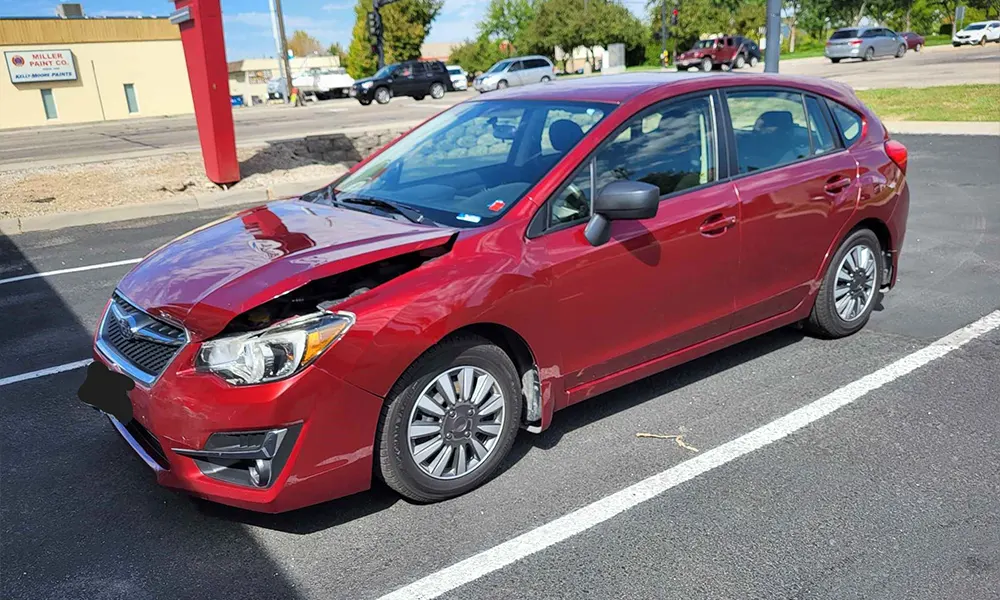
If you've ever been in a serious car accident or shopped for a used vehicle, you've likely heard the term structural damage . It’s one of those phrases that immediately raises red flags—and for good reason. The structure of your vehicle is like its skeleton. When it's compromised, everything from safety to drivability can be affected.
But here's the big question: Can a car with structural damage be repaired safely? The answer is yes, but with a few major caveats.
Structural damage refers to harm to the core frame or unibody of a car. This includes key components such as:
- The front or rear frame rails
- The A, B, and C pillars (those vertical supports between the doors and windows)
- The floor pan
- The firewall
- The unibody (in most modern vehicles)
These parts are crucial for maintaining the integrity of the vehicle, especially in a crash. If they’re bent, cracked, or weakened, the car might not perform as designed in a future accident.
When Can It Be Repaired?
Not all structural damage is a death sentence for a car. Modern auto body shops are equipped with sophisticated tools—like frame straightening machines and computerized measuring systems—that can restore a car's frame to factory specifications.
Here are some conditions where repair can be safe:
- The damage is localized and has not affected multiple parts of the structure.
- The repair is done by a certified and experienced collision repair shop using manufacturer-approved methods and OEM parts.
- Post-repair inspections and tests confirm the car meets structural and safety standards.
When Is It Not Safe?
Even with the best tools and technicians, some damage just isn’t worth fixing:
- Severe twisting or crumpling of the frame may leave hidden weaknesses.
- Airbag systems or crumple zones may not function correctly after repair.
- Corrosion or poor previous repairs can compromise future fixes.
- Cost exceeds the value of the vehicle (aka, it's a total loss).
In these cases, the vehicle might be unsafe no matter how well it’s repaired.
What to Watch Out for in a Repaired Car
If you’re considering buying or continuing to drive a car that’s had structural repairs, here are a few things to keep in mind:
- Ask for documentation. A reputable repair shop will provide a detailed invoice, repair records, and possibly even before-and-after frame measurements.
- Request a post-repair inspection. Some third-party services specialize in evaluating the quality and safety of structural repairs.
- Get a vehicle history report. Services like CARFAX or AutoCheck often note structural damage or insurance claims.
- Be cautious of salvage titles. While not all salvage vehicles are unsafe, they often indicate a past of significant damage.
Conclusion: Safety Is Possible—But Not Guaranteed
Yes, a car with some structural damage can be repaired safely—but only if the job is done right. The key is ensuring the repairs are performed by skilled and trained technicians using the right equipment and following manufacturer guidelines. If you're ever in doubt, seek a second opinion or inspection. When it comes to structural repairs, peace of mind is worth the extra effort.
Have questions about your car's damage or repairs? At Adesa Auto Body we will take the time to answer all of your questions. We use OEM parts and OEM repair procedures to repair your vehicle, meaning if the structure damage cannot be repaired safely, we will not repair it. If you need any help with your repairs or are looking for the best body shop near you, consider Adesa Auto Body at 208-395-3135 or explore our website.