 Panel Gaps
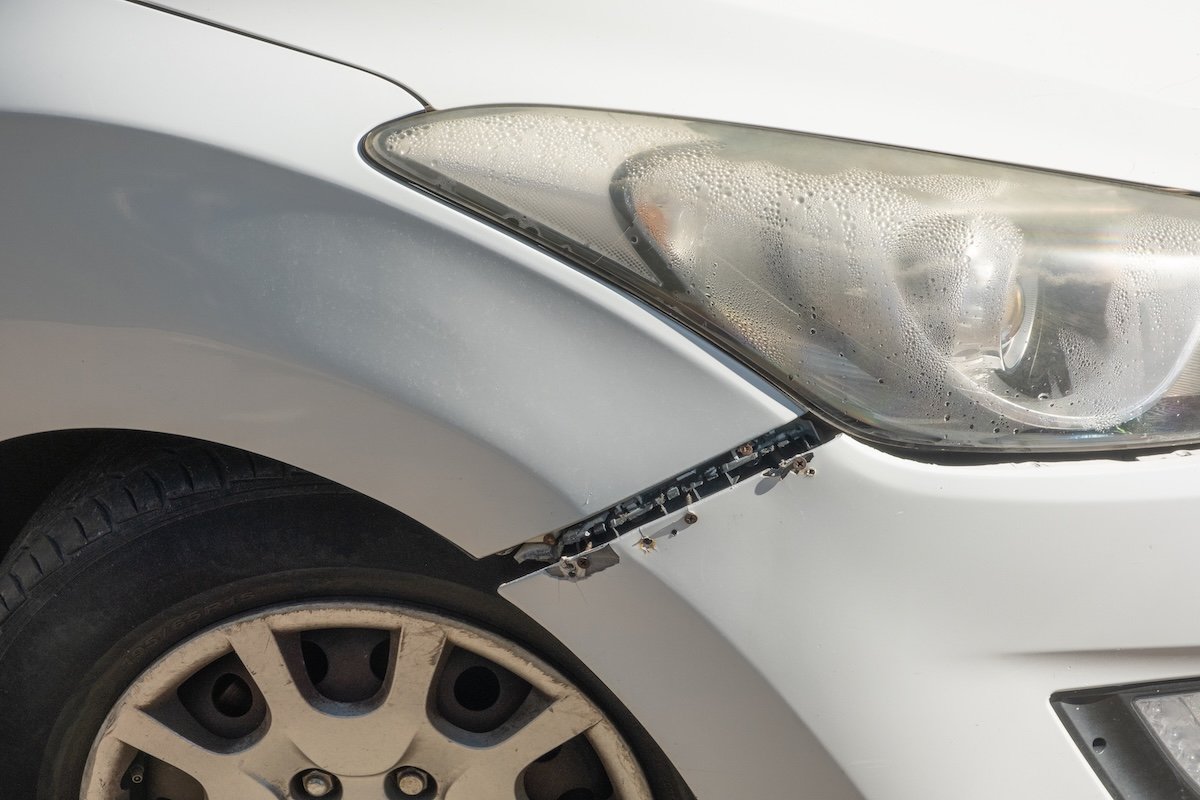
A door that suddenly sits a little farther from the fender, a hood with a wider gap on one side, or a trunk lid that no longer looks perfectly centered may seem like minor cosmetic issues after a collision. After all, if the vehicle still drives and everything opens and closes, a slightly uneven space between panels might not seem especially important. However, those panel gaps can provide valuable clues about what happened to the vehicle during the impact.
Modern vehicles are engineered so doors, hoods, trunks, fenders, quarter panels, and other components fit together within specific tolerances. Therefore, when those relationships change after an accident, the problem may involve more than a dented or displaced panel. At Adesa Auto Body, we look beyond the obvious damage to determine how the collision affected the vehicle as a whole.
What Are Panel Gaps?
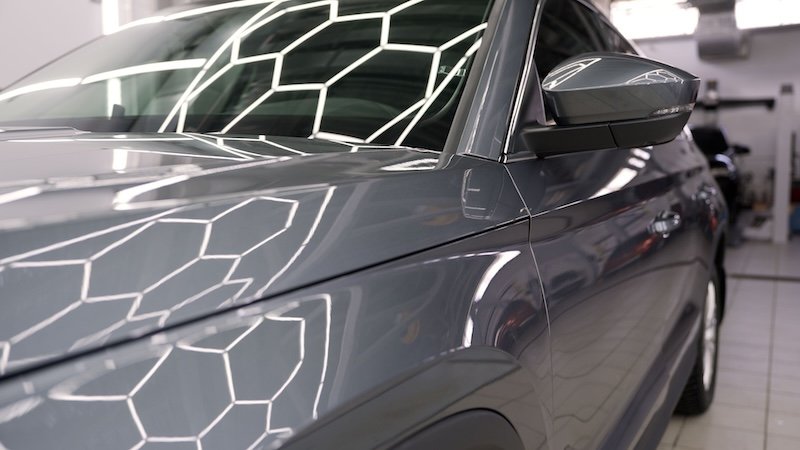
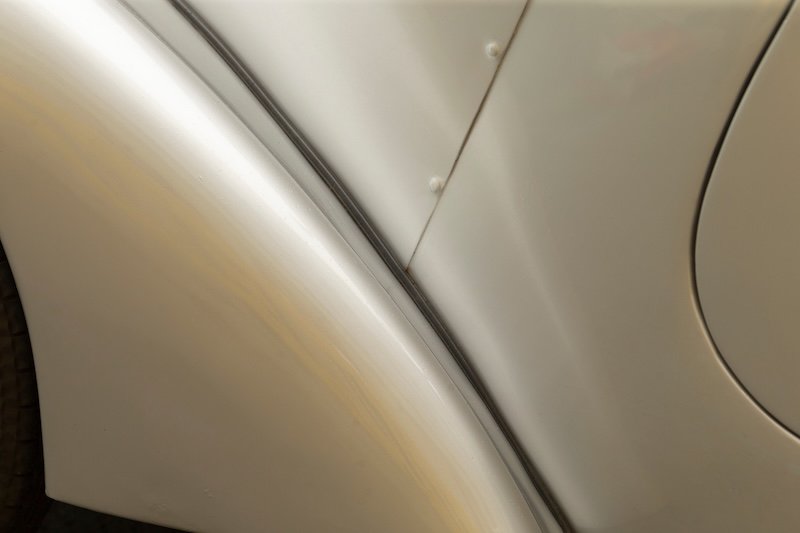
Panel gaps are the spaces between adjacent exterior body panels. On an undamaged vehicle, the spacing where the hood meets the fenders, the doors meet surrounding panels, and the trunk or lift gate fits into its opening should generally appear consistent. Manufacturers design these components to align in specific ways so panels can open and close properly while contributing to the vehicle’s overall fit and sealing. Although normal tolerances vary among vehicles, a noticeable change after a collision gives us a reason to look more closely.
For example, a gap may become wider at one end and narrower at the other. One side of the hood might suddenly sit differently than the opposite side, or a door may appear slightly recessed compared with the neighboring panel. Consequently, what looks like a cosmetic imperfection can sometimes indicate that something underneath has shifted.
Panel Gaps Can Point to Hidden Collision Damage
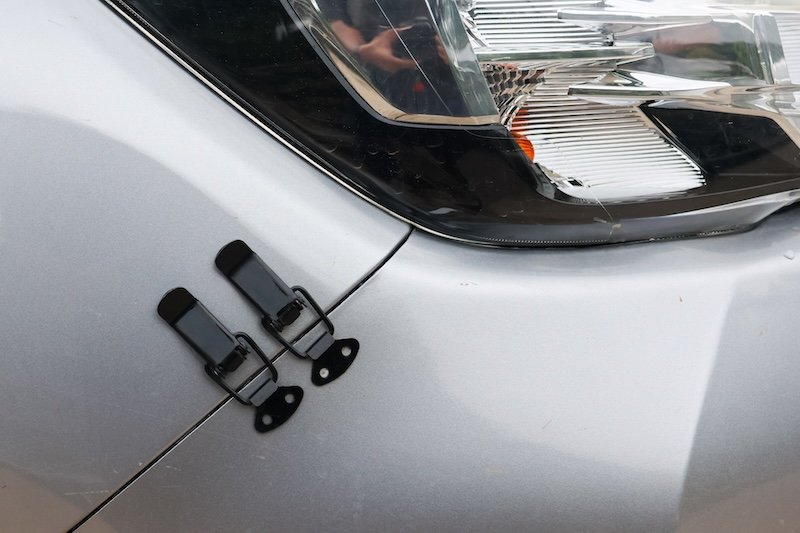 Collision forces do not necessarily stop where another vehicle or object made contact. Instead, energy can travel through the vehicle and affect surrounding components some distance from the obvious point of impact.
For instance, damage near a front corner could affect the relationship between the bumper, fender, hood, headlight, and door. Likewise, a rear impact could alter the position of the trunk, liftgate, quarter panels, or components underneath them. That is one reason we cannot determine the full extent of collision damage simply by looking at the biggest dent.
When panel gaps change after an accident, several possible causes deserve investigation:
- Bent or displaced panels may no longer sit in their original positions.
- Damaged hinges, brackets, or mounting points can affect alignment.
- Underlying structural movement may alter several neighboring components.
- Hidden damage can push otherwise undamaged parts out of position.
- Shifted components may interfere with proper opening, closing, or latching.
An uneven gap does not automatically tell us which problem exists. Instead, it provides another clue as we evaluate the vehicle and determine where closer inspection may be necessary.
Doors, Hoods and Trunks Can Reveal Panel Gap Problems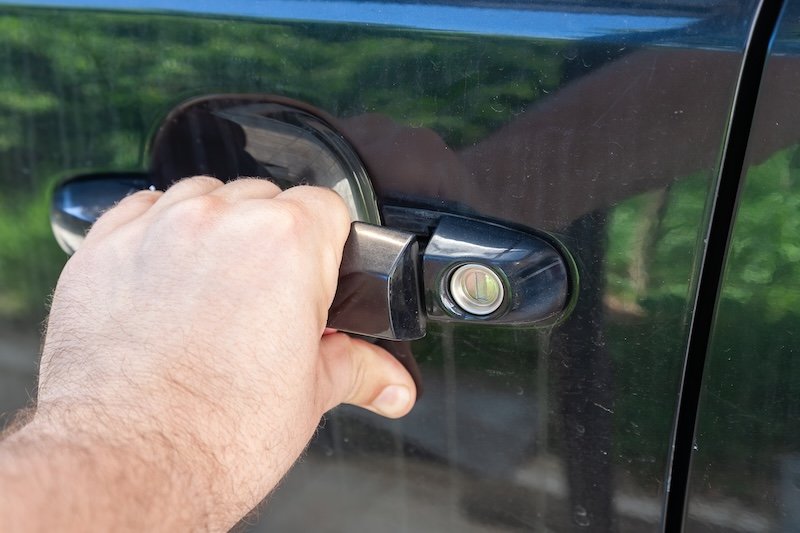
Typically, doors are one of the easiest places to notice alignment changes. Perhaps a door sits farther out than the adjacent panel, the space around its edges looks uneven, or it suddenly takes more effort to close. While these differences can appear small, the door itself may not be the only component affected. Hinges, latches, pillars, mounting points, and surrounding structures all contribute to how a door fits and operates. Proper alignment can also affect sealing, so a door that no longer meets the weatherstripping correctly could lead to increased wind noise or even water intrusion. The same principle applies to hoods, trunks, and liftgates. A hood that sits higher on one side or suddenly becomes difficult to latch may indicate that related components moved during the collision. Similarly, a trunk or liftgate that requires extra force to close or no longer sits flush with neighboring panels deserves attention.
Sometimes drivers notice these functional changes before they recognize the visual differences. Therefore, mentioning anything that operates differently after the accident can help us understand where additional damage may exist.
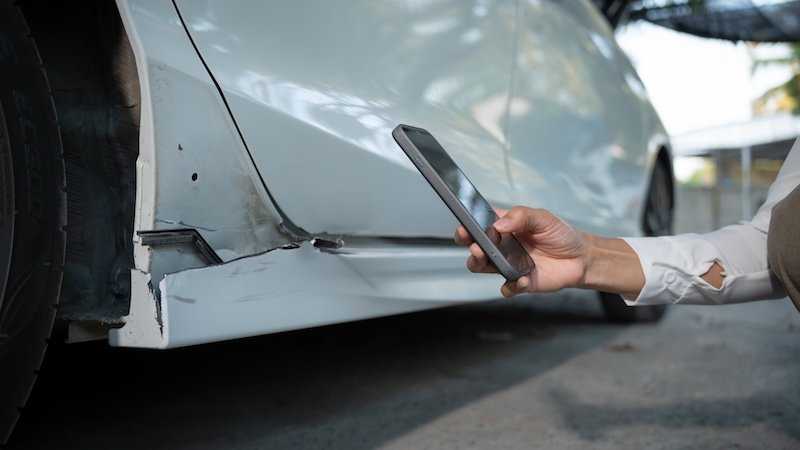 Collision Repair Requires Looking at the Whole Vehicle
Body components do not function independently. A fender needs to align with the hood and door, while headlights, bumpers, quarter panels, trunks, and lift gates all depend on the proper position of surrounding parts and structures. Because everything works together, repairing the most visibly damaged panel without addressing surrounding damage can leave the vehicle looking or functioning differently than it did before the collision. For that reason, we evaluate how components relate to one another rather than concentrating only on the area with the biggest dent.
When applicable, we also follow OEM repair procedures and use advanced repair equipment to help restore the vehicle accurately. Manufacturer procedures provide important guidance for evaluating and repairing vehicles after a collision, particularly when damage extends beyond what is immediately visible.
Can a Car Look Repaired and Still Have Bad Panel Gaps?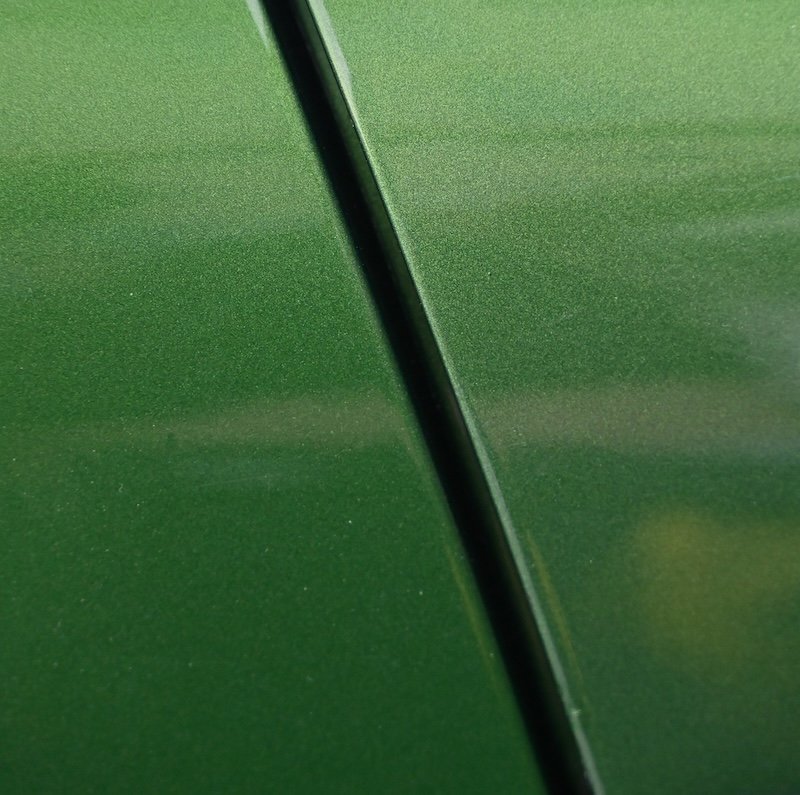
Yes. Fresh paint and repaired dents can make a vehicle look beautiful from several feet away, yet alignment problems may become apparent upon closer inspection. Quality collision repair involves more than making damaged areas look good. Doors should operate properly, hoods and trunks should latch as designed, and repaired panels should fit appropriately with neighboring components. Appearance and function need to work together.
Of course, every gap on every vehicle will not necessarily measure exactly the same. Factory tolerances vary, and even undamaged vehicles can have minor differences. Nevertheless, collision-related misalignment should be identified and addressed rather than dismissed because the repaired paint looks good.
 Pay Attention to What Changed
You know how your vehicle looked and operated before the accident. Therefore, if something seems different afterward, mention it when you bring the vehicle in for repair.
Pay particular attention to:
- Doors that stick or require more force to close
- Hoods that appear higher or lower on one side
- Trunks or liftgates that suddenly look crooked
- Uneven spaces between neighboring panels
- New wind noise or water intrusion
- Latches that operate differently than before
These details can help us identify areas that deserve additional attention. At Adesa Auto Body, our goal is to understand how the entire impact affected your vehicle rather than simply repairing the damage that is easiest to see. Sometimes, a seemingly small panel gap helps us uncover a much bigger part of the collision story.
About Adesa Auto Body in Boise, Idaho
Adesa Auto Body has proudly served Boise, Meridian, Eagle, Kuna, Nampa, Caldwell, and the surrounding Treasure Valley for more than a decade, providing expert collision repair backed by exceptional customer service. Their highly trained technicians follow OEM repair procedures whenever applicable, utilize advanced repair equipment, perform ADAS calibrations, and communicate openly throughout every stage of the repair process. Whether your vehicle has minor cosmetic damage or requires extensive structural repairs, Adesa Auto Body is committed to restoring it safely, accurately, and with the quality workmanship your family can trust.