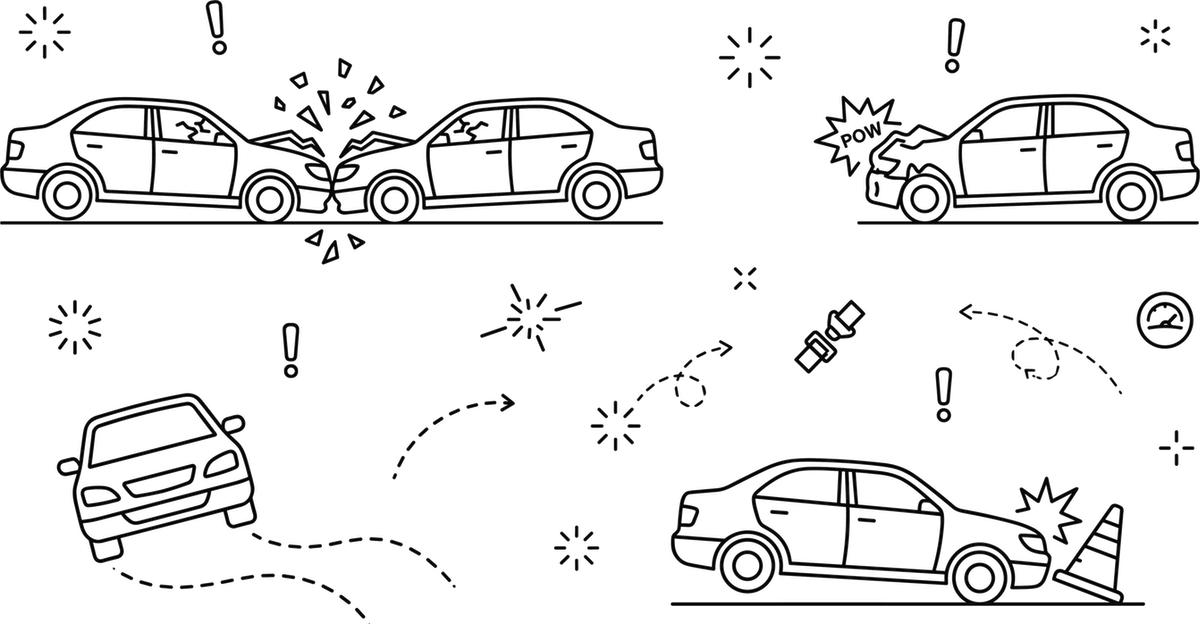
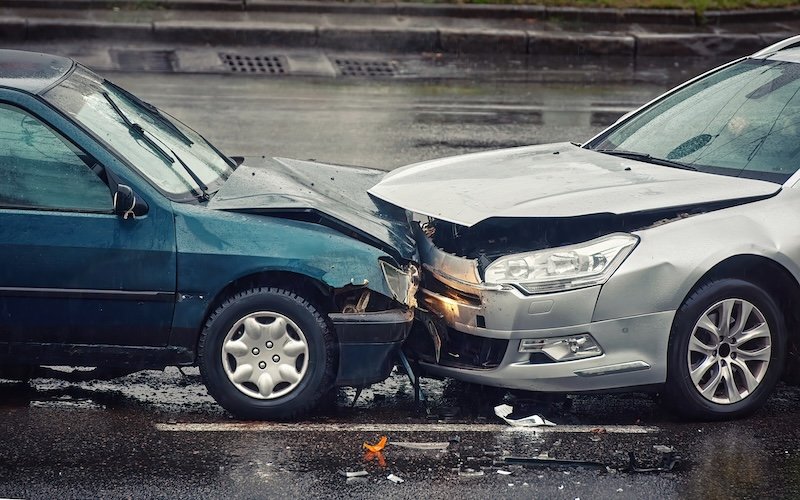
 You walk around your car after a minor collision and breathe a sigh of relief. The bumper still looks straight. There isn’t a noticeable dent in the quarter panel. The paint may not even have a scratch. At first glance, it appears you got lucky. Unfortunately, the outside of a modern vehicle doesn’t always tell the whole story. Today’s vehicles contain energy-absorbing materials, brackets, mounting points, sensors, cameras, wiring, and structural components hidden behind exterior panels. During an impact, some of those parts can sustain damage while the bumper cover or body panel returns almost completely to its original shape.
That’s why judging collision damage solely by what you can see can lead to an expensive—and potentially unsafe—mistake.
Modern Bumpers Do More Than Look Good in Collision Damage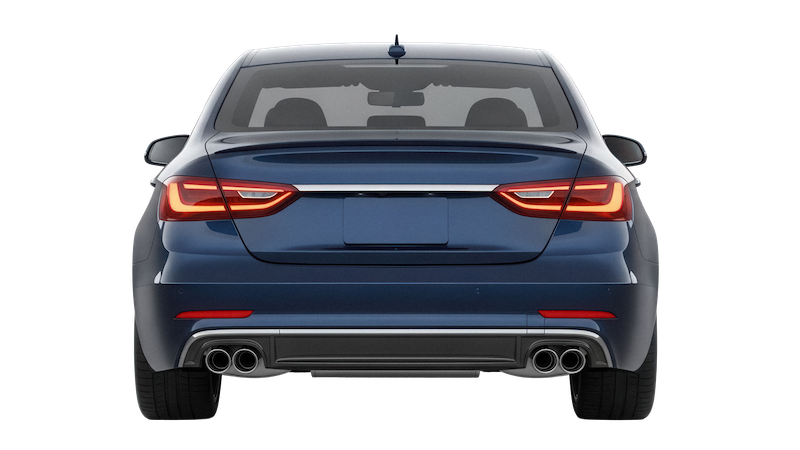
When drivers talk about a “bumper,” they often mean the painted plastic cover visible on the front or rear of the vehicle. However, that cover represents only one part of the bumper system. Behind it, manufacturers may install reinforcement bars, energy absorbers, brackets, mounting hardware, sensors, wiring, and other components designed to work together during a collision. The flexible exterior cover can bend during a low-speed impact and then spring back into place. Meanwhile, an energy absorber behind it may compress or crack. A mounting bracket may break. The reinforcement structure may deform.
Consequently, a bumper that looks perfectly acceptable from several feet away can conceal damage that technicians can’t properly evaluate without a closer inspection or partial disassembly.
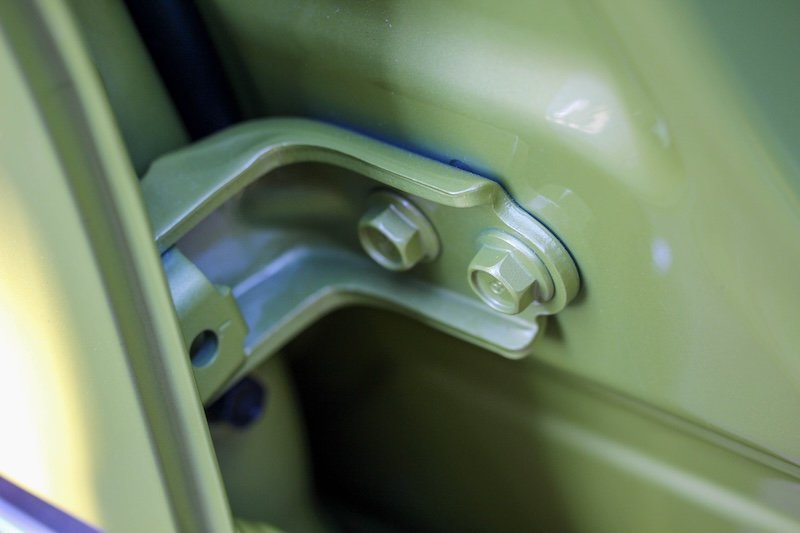 Collision Damage: Hidden Brackets and Mounting Points Can Break
Exterior components need secure attachment points to stay properly positioned. A relatively minor impact can damage those connections without creating an obvious dent. Plastic tabs can snap. Metal brackets can bend. Fasteners can break or pull through their mounting locations. In some cases, the affected panel may remain approximately where it belongs even though the components holding it there no longer have their original strength.
Drivers might eventually notice subtle clues. A bumper could develop a slightly larger gap on one side, for example, or a headlight may appear slightly out of position. A panel might move when pressed or begin rattling while driving.
These changes can seem cosmetic, but they can indicate damage beneath the surface.
Energy Absorbers in Collision Damage Can Do Their Job—and Still Need Replacement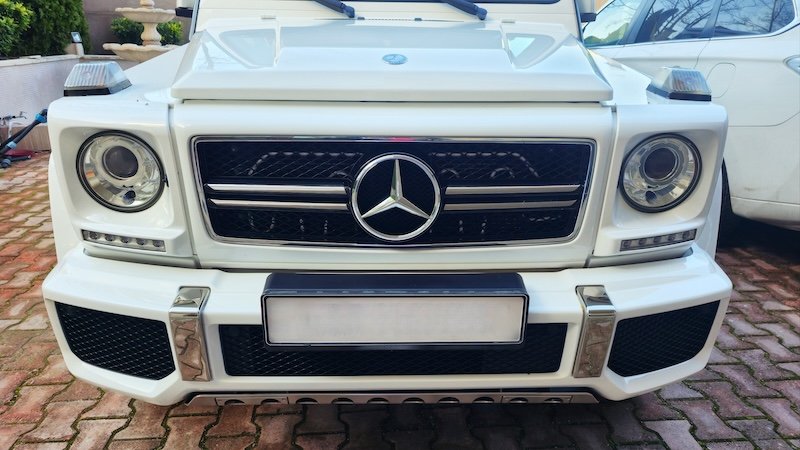
Vehicle manufacturers design certain components specifically to manage collision energy. Depending on the vehicle, the area behind a bumper may contain foam, plastic, honeycomb structures, or other materials engineered to compress during an impact. That compression helps manage the forces generated during a collision. However, an absorber that has already compressed, cracked, or otherwise changed shape may no longer perform according to its original design. Simply putting the bumper cover back over it doesn’t restore the component.
This illustrates an important distinction in collision repair: a part doesn’t need visible exterior damage to have performed its job during an accident. A qualified technician needs to determine what happened beneath the surface and follow the appropriate manufacturer repair procedures.
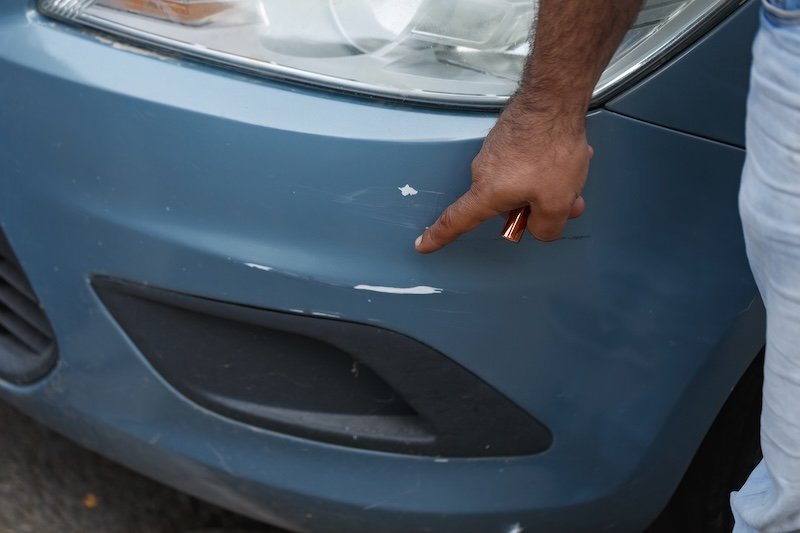 Collision Damage Sensors Can Move Without Looking Damaged
Modern vehicles have transformed bumpers, mirrors, windshields, grilles, and other seemingly ordinary areas into technology hubs.
Depending on the make and model, a vehicle may use radar sensors, ultrasonic sensors, cameras, and other electronic components to support features such as:
- Blind spot monitoring
- Rear cross-traffic alerts
- Automatic emergency braking
- Adaptive cruise control
- Parking assistance
- Lane-related driver assistance features
A collision doesn’t necessarily have to destroy one of these components to affect its operation. For example, an impact could damage a sensor bracket or slightly change its position. From outside the vehicle, nothing may appear wrong. However, even a relatively small change in mounting position can matter because Advanced Driver Assistance Systems rely on accurately positioned components and precise information.
That’s one reason modern collision repair involves much more than repairing dents and matching paint.
Headlights and Other Components May Have Hidden Mounting Damage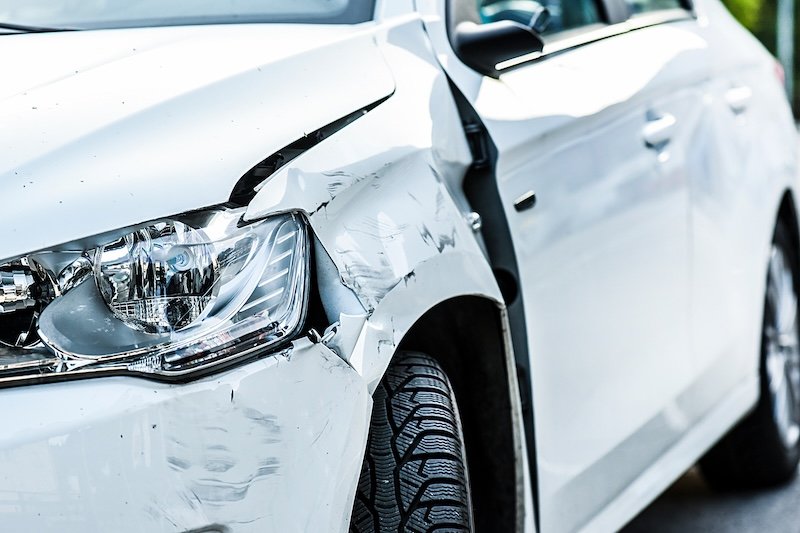
Headlights provide another good example of damage that drivers may overlook. The lens may remain intact, and the light may continue working normally. However, mounting tabs or brackets behind the assembly can crack during an impact. The headlight might then sit slightly differently than the manufacturer intended. Similar problems can occur with taillights, grille assemblies, fender liners, splash shields, trim pieces, and other components. Sometimes these issues become apparent immediately. Other times, drivers don’t notice anything until a part starts vibrating, moisture appears inside a light, or a panel gradually shifts out of position.
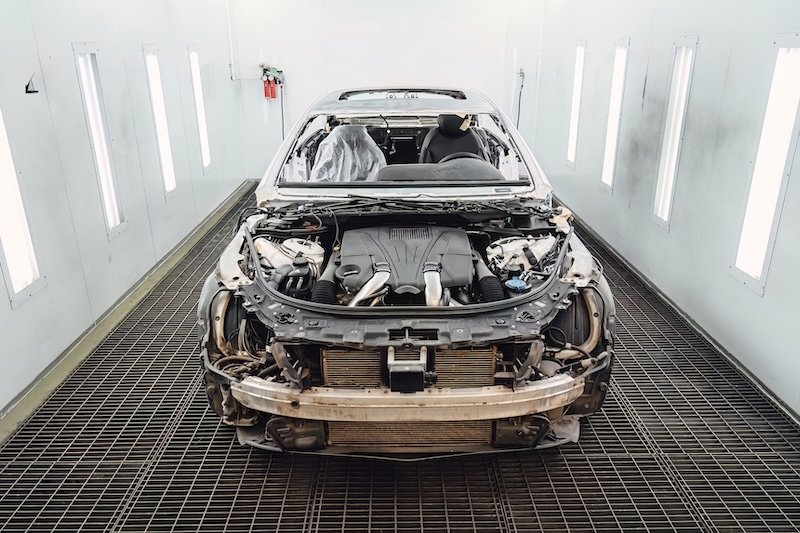 Structural Damage Doesn’t Always Create Dramatic Visual Clues
The words “structural damage” can bring to mind a badly crushed vehicle after a severe crash. However, collision forces don’t always produce dramatic exterior evidence. Energy travels through a vehicle during an impact. Depending on the location and direction of the collision, technicians may need to inspect structural areas, attachment points, and surrounding components for changes that aren’t obvious during a parking-lot walk-around. Modern vehicles also use sophisticated combinations of high-strength steels, aluminum, and other materials. Manufacturers engineer these structures to manage collision forces in very specific ways.
For that reason, collision professionals don’t determine structural integrity by simply looking at whether a car appears straight. Measurements and manufacturer repair information can play an important role in determining what actually requires attention.
Small Exterior Damage Doesn’t Always Mean a Small Repair
Drivers sometimes feel confused when a repair estimate seems significant even though the visible damage appears minor. Hidden damage helps explain why. An initial estimate can only account for damage the estimator can identify before repairs begin. Once technicians remove a bumper cover, trim panel, light assembly, or another damaged component, they may discover additional problems underneath.
For example, teardown could reveal:
- Cracked or compressed energy absorbers
- Broken bumper retainers or brackets
- Damaged sensor mounts
- Bent reinforcement components
- Broken wiring connectors
- Damaged mounting points
- Hidden structural changes
When technicians uncover accident-related damage that wasn’t visible during the initial estimate, the repair facility may prepare a supplement documenting the additional work. That doesn’t necessarily mean someone “missed” the damage during the first inspection. Sometimes disassembly provides the only practical way to see it.
Pay Attention to Changes After an Accident
Even when a vehicle looks fine, changes in the way it drives or operates deserve attention. Listen for new rattles or wind noise. Watch for warning lights or driver-assistance messages. Notice whether parking sensors behave differently or a blind spot warning activates unexpectedly. Pay attention if the steering wheel sits differently, the vehicle pulls to one side, or a door, hood, or trunk suddenly feels harder to close. Don’t ignore these clues simply because you can’t find a corresponding dent.
Likewise, don’t assume the absence of warning lights proves every electronic system remains unaffected. Proper inspection and diagnostic procedures can reveal information that a visual examination cannot.
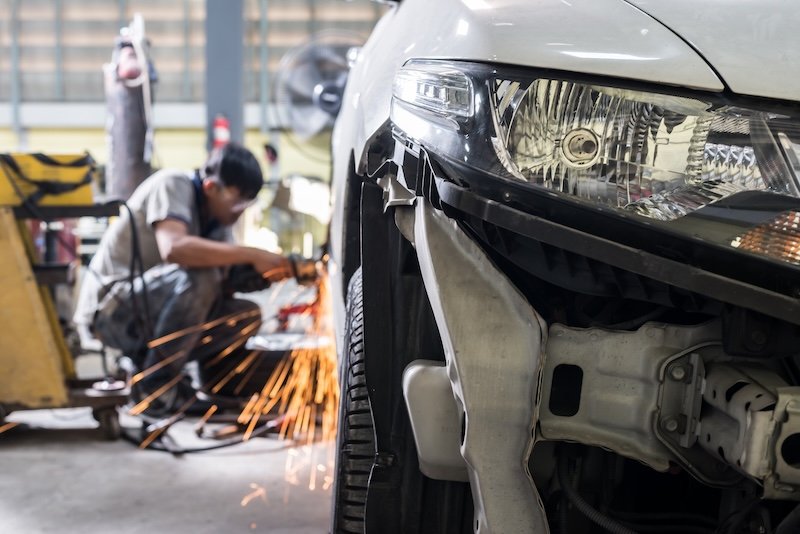 Professional Collision Repair Looks Beneath the Surface
A minor accident can feel like good news when your vehicle escapes without a crushed panel or obvious dent. Sometimes it truly does escape serious damage. However, the only way to make that determination confidently involves evaluating more than the exterior appearance.
At Adesa Auto Body, our experienced collision repair professionals understand how modern vehicles manage impact forces and how much technology manufacturers now hide behind bumpers and body panels. We evaluate the visible damage while also considering the components underneath it, manufacturer repair procedures, vehicle systems, and the possibility of damage that isn’t immediately apparent.
Our goal doesn’t stop at making a vehicle look good again. We want repairs performed correctly so our customers can return to Boise roads with confidence.
About Adesa Auto Body in Boise, Idaho
Adesa Auto Body has provided high-quality collision repair and auto body services to drivers throughout Boise and the Treasure Valley for more than 40 years. Our experienced technicians repair vehicles using modern equipment, manufacturer-recommended procedures, and careful attention to every detail, from structural repairs and body work to refinishing and advanced vehicle systems. As a locally owned Boise collision repair facility, Adesa Auto Body remains committed to quality workmanship, honest communication, and exceptional customer service throughout the repair process. We work with all insurance companies while keeping the vehicle owner—not the insurer—at the center of every repair decision.