
 Collision Repair Estimates
If you’ve recently been involved in a collision, one of the first questions you’ll probably hear is, “Did you get multiple estimates?” It sounds like good advice. After all, people compare prices when buying appliances, replacing a roof, or hiring a contractor. Why should auto body repair be any different? The answer is that collision repair isn’t a commodity. Two estimates for the same vehicle can differ dramatically, not because one shop is necessarily overcharging, but because each shop may be planning a very different repair. Understanding why estimates vary can help you make a better decision—one that protects both your vehicle’s safety and its long-term value.
Why Two Collision Repair Estimates Can Look Completely Different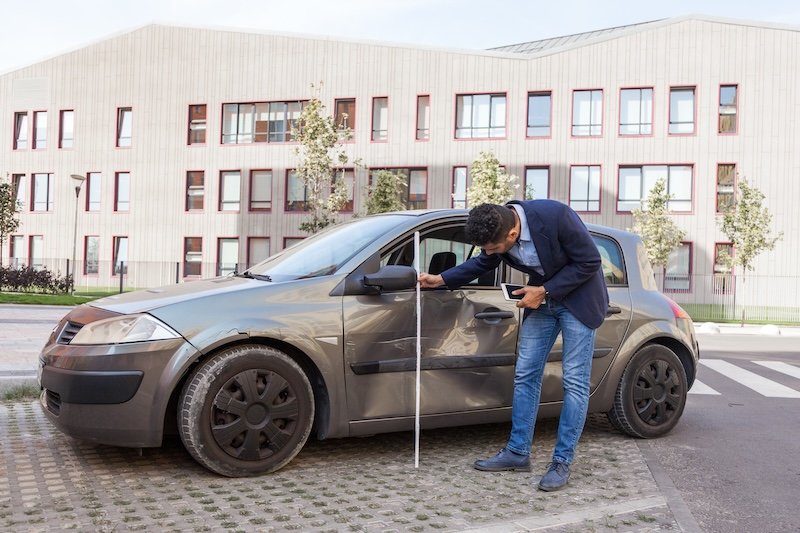
People often assume every collision repair estimate should arrive at roughly the same number. In reality, experienced collision repair professionals know that’s rarely the case.
One shop may write an estimate based only on visible damage. Another may spend more time researching your specific vehicle, reviewing OEM repair procedures, and identifying repairs that aren’t immediately obvious. Neither estimate is necessarily dishonest. They simply reflect different approaches to repairing your vehicle.
Some of the biggest factors that affect an estimate include:
- The amount of visible versus hidden damage
- Whether OEM repair procedures are followed
- The type of replacement parts being used
- Whether Advanced Driver Assistance Systems (ADAS) require calibration
- The repair philosophy of the collision center
- That last point often makes the biggest difference.
 The Initial Estimate Isn’t the Final Repair Cost
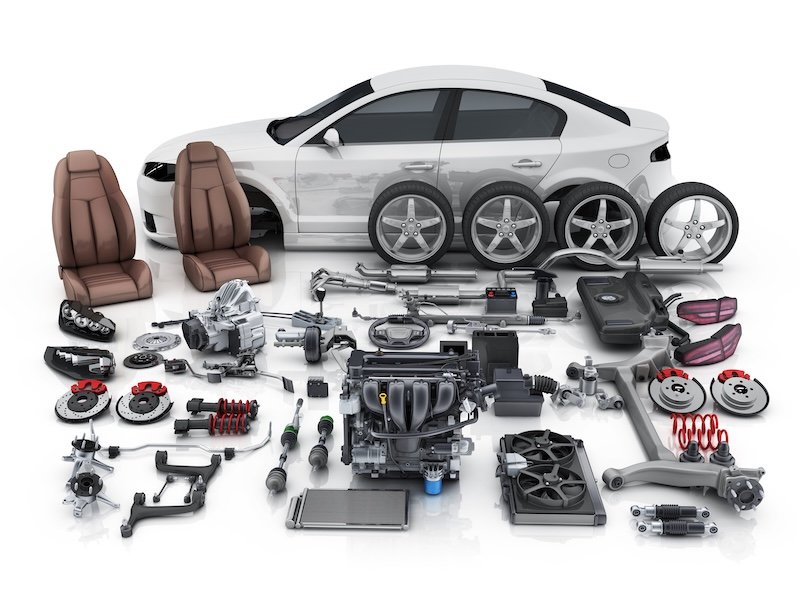
One of the biggest misconceptions about collision repair is that the first estimate should include every repair your vehicle will need. Unfortunately, that’s impossible. Modern vehicles are built with multiple structural layers, impact absorbers, sensors, wiring harnesses, and hidden components that can’t be inspected until damaged panels are removed. Once disassembly begins, technicians often discover additional damage that wasn’t visible during the initial inspection. When that happens, the repair facility prepares what’s known as a supplement.
A supplement isn’t an unexpected upcharge or an attempt to increase the bill. Instead, it’s documentation of legitimate damage that couldn’t reasonably be seen during the original estimate. Insurance companies expect supplements because hidden damage is common after collisions. Reputable repair facilities communicate these findings with both the customer and the insurance company before additional repairs move forward.
OEM Procedures Matter More Than Many Drivers Realize
Another reason estimates vary involves the repair procedures themselves. Every vehicle manufacturer publishes detailed repair instructions known as OEM (Original Equipment Manufacturer) procedures. These instructions specify how damaged components should be repaired or replaced, what parts should be used, where welds belong, when adhesives are required, and when safety systems must be recalibrated.
Following those procedures often requires additional labor, specialized equipment, and ongoing technician training. A lower estimate may simply leave some of those procedures out. That doesn’t necessarily mean the shop intends to perform poor-quality work. However, it does mean the repair plan may not fully reflect what the manufacturer recommends for restoring the vehicle to its intended safety standards.
Adesa Auto Body repairs vehicles according to OEM procedures rather than taking shortcuts because the company believes manufacturer guidelines provide the safest path back to pre-accident condition.
 The Cheapest Collision Repair Estimate Can Become the Most Expensive Choice
Everyone likes saving money. However, collision repair isn’t the place to shop solely by price. A lower estimate may reflect fewer repair operations, aftermarket parts instead of OEM components, omitted calibrations, or repair methods that save time rather than restore the vehicle as intended. While those decisions may reduce the initial estimate, they can create bigger problems later.
Poor repairs can affect:
- Vehicle safety in a future collision
- ADAS Sensor performance
- Paint durability and appearance
- Resale value
- Overall customer satisfaction
Instead of asking which estimate is cheapest, a better question is, “Which shop has the most complete repair plan?”
Ask Questions About Collision Repair Estimates Before Comparing Numbers
When reviewing multiple estimates, don’t focus only on the total at the bottom of the page.
Instead, ask questions such as:
- Will OEM repair procedures be followed?
- Are OEM or aftermarket parts being used?
- Does the estimate include required ADAS calibrations?
- What happens if hidden damage is discovered?
- Does the repair come with a warranty?
- How will the shop communicate throughout the repair?
These answers often reveal far more about the quality of the repair than the total dollar amount.
Experience and Training Make a Difference
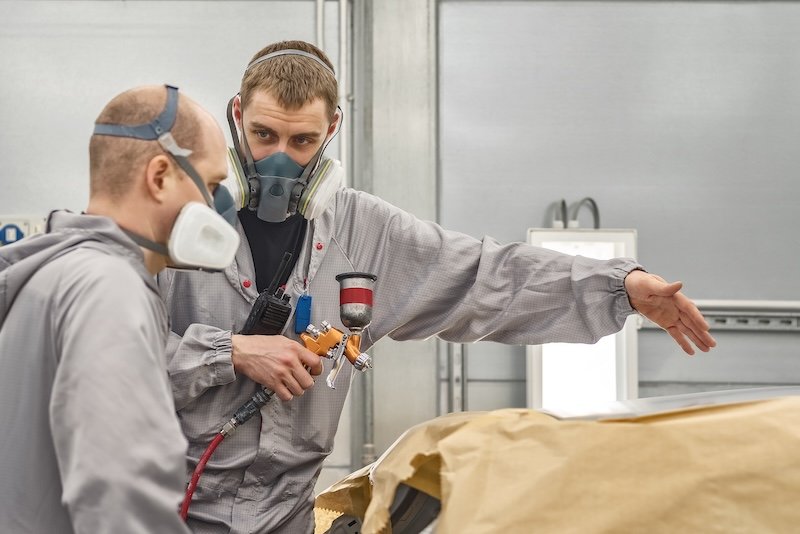 Modern vehicles continue to become more sophisticated every year. Aluminum construction, advanced electronics, radar systems, cameras, and computerized safety features require technicians to receive ongoing education. That’s one reason certifications matter. For example, Adesa Auto Body maintains I-CAR Gold Class certification—a designation earned by only a small percentage of collision repair facilities nationwide. The certification reflects ongoing training designed to help technicians repair today’s increasingly complex vehicles according to current industry standards.
Combined with more than 75 years of team experience, that commitment to continuing education helps ensure repairs keep pace with rapidly changing vehicle technology.
Choosing Value Instead of Simply Choosing Price
Getting multiple estimates can certainly be worthwhile, especially if you’re trying to understand your repair options. However, the goal shouldn’t be finding the lowest number. Instead, compare the quality of the repair plan, the shop’s certifications, its reputation, its communication, and its commitment to following manufacturer procedures. After all, you’ll likely drive your repaired vehicle for years to come. Choosing the shop that restores it correctly the first time often proves far more valuable than saving a few dollars on the initial estimate.
Frequently Asked Questions
Why are collision repair estimates different?
Every shop may use different parts, labor procedures, repair philosophies, and levels of detail. Hidden damage and manufacturer repair procedures can also significantly affect the estimate.What is a supplement?
A supplement is an additional repair estimate created after hidden damage is discovered during disassembly. It’s a normal part of collision repair and is commonly submitted to the insurance company for approval.Should I always choose the lowest estimate?
Not necessarily. A lower estimate may omit necessary repairs, OEM procedures, or safety-related calibrations that could affect your vehicle’s long-term performance and value.Can I choose my own collision repair shop?
Yes. Idaho law allows you to choose where your vehicle is repaired, regardless of which shop your insurance company recommends.
About Adesa Auto Body in Boise, Idaho
Since 2015, Adesa Auto Body has proudly served drivers throughout Boise, Meridian, Eagle, Nampa, Kuna, and the Treasure Valley with honest communication, precision repairs, and exceptional customer care. Backed by more than 75 years of combined experience, a 4.9-star Google rating with more than 200 reviews, and I-CAR Gold Class certification, Adesa repairs every vehicle according to OEM procedures while working with all insurance companies. Our team also guarantees customers never pay more than their deductible because of insurance short-payments, and we stand behind every repair with integrity, quality craftsmanship, and a lifetime paint warranty.