
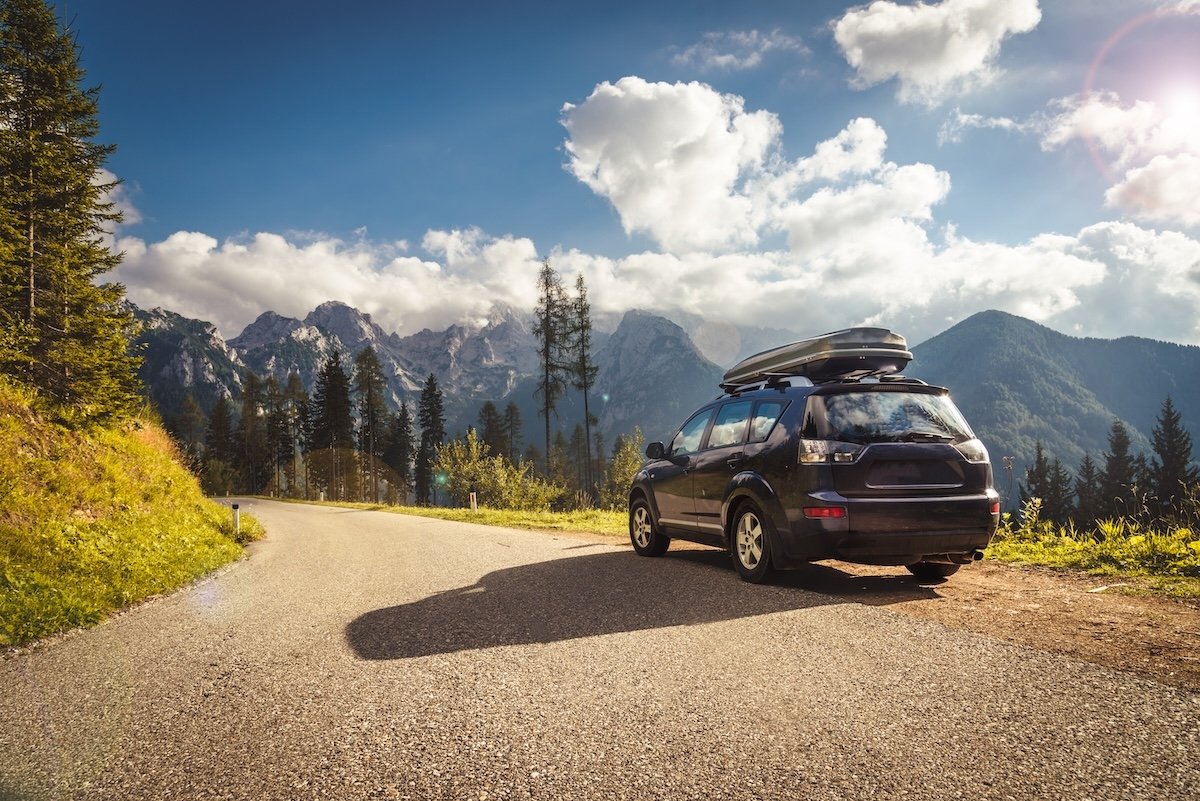
How to Help Prevent Accidents Before You Leave Boise
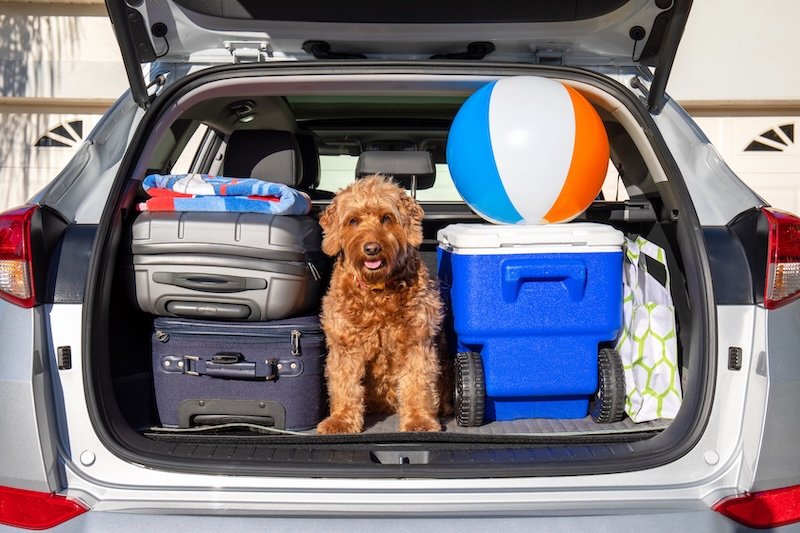
Summer is one of the busiest travel seasons of the year. Families load up the SUV for vacations, college students head home, campers tow trailers into the mountains, and weekend adventurers set off to enjoy everything Idaho and the surrounding states have to offer. Whether you're driving across town or across several states, spending more time on the road naturally increases your exposure to potential accidents.
While no one can control the actions of other drivers, preparing both yourself and your vehicle before leaving home can often reduce the likelihood of experiencing a collision. A few simple precautions may help you avoid common summer driving hazards while making your trip safer and more enjoyable.
Before packing the first suitcase, here are several road trip safety tips worth considering.
Why Are There More Accidents During Summer? Road Trips!
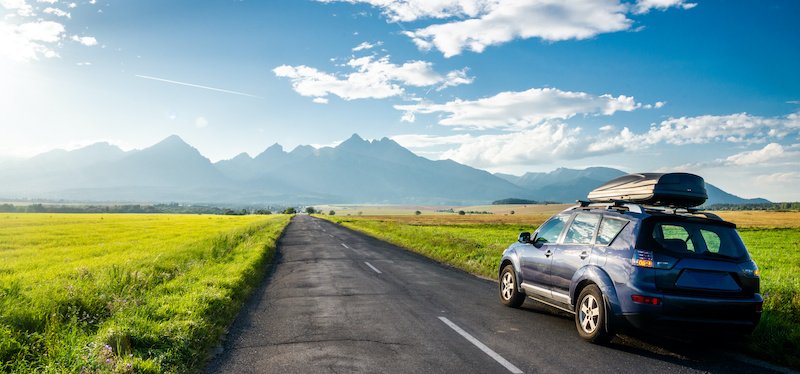
Many people associate winter with dangerous driving conditions, yet summer consistently brings its own set of risks. Roads are busier, construction projects are underway, and more drivers are traveling unfamiliar routes. At the same time, longer daylight hours encourage people to spend more time behind the wheel, sometimes leading to fatigue during extended trips.
In addition, distracted driving often increases during vacations. Drivers may rely heavily on GPS navigation, adjust entertainment systems, search for restaurants, or manage excited children in the back seat. Even a brief distraction can significantly increase the risk of an accident at highway speeds.
Understanding these seasonal factors can help you stay more alert throughout your journey.
Start Your Road Trip With a Vehicle Inspection
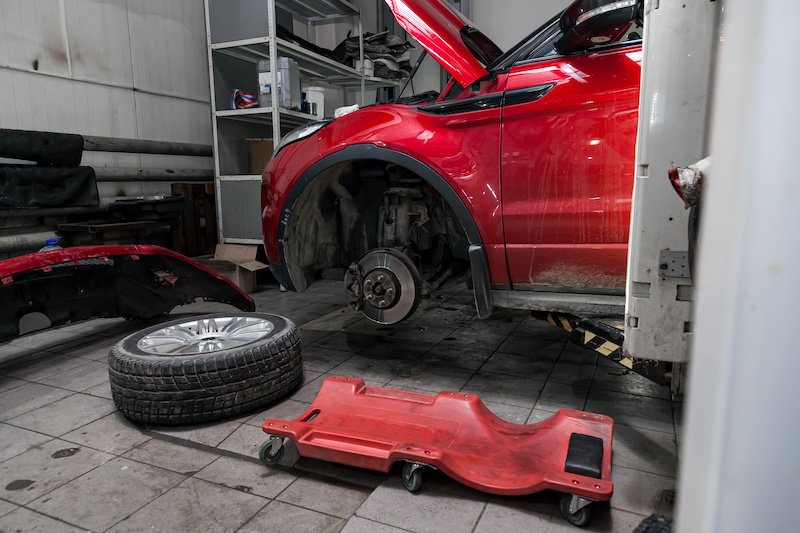
Before heading out on a long trip, it's worth taking a few minutes to inspect your vehicle. Although many people remember to schedule an oil change, other important components are sometimes overlooked. Tires, brakes, windshield wipers, lights, and fluid levels all contribute to safe driving. Proper tire inflation is especially important during hot weather because heat causes air pressure to increase, while underinflated tires can generate excess heat and wear.
Take a walk around your vehicle and look for anything unusual, including:
- Low tire tread
- Uneven tire wear
- Cracks or bulges in sidewalls
- Burned-out headlights or brake lights
- Windshield chips that could spread
- Fluid leaks beneath the vehicle
Addressing small issues before departure is often easier—and less expensive—than dealing with them during a trip.
Pack for Road Trip Emergencies
Even well-maintained vehicles can experience unexpected problems. Stowing a basic emergency kit provides additional peace of mind should something go wrong far from home. While you hope never to use these supplies, they're helpful to have available.
Consider packing:
- First aid kit
- Flashlight with extra batteries
- Phone charging cable or battery pack
- Jumper cables
- Bottled water
- Basic hand tools
- Tire pressure gauge
- Reflective warning triangles or flares
- Blanket for unexpected overnight delays
If you're traveling through remote parts of Idaho or neighboring states, cell service may be limited in some areas, making emergency supplies even more valuable.
Eliminate Distractions Before Taking a Summer Road Trip
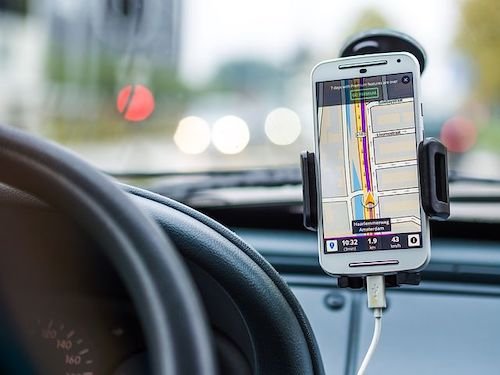
One of the easiest safety improvements costs nothing at all. Instead of entering destinations into your GPS after you begin driving, program everything before leaving the driveway. Likewise, select your music playlist, adjust climate controls, and secure loose items before putting the vehicle in gear.
Passengers can also help by handling navigation or locating fuel stops so the driver can remain focused on the road ahead. If you need to respond to a text message or make changes to your route, find a safe place to pull over first.
Give Yourself Extra Following Distance
Summer highways often become crowded with RVs, trailers, motorcycles, and drivers unfamiliar with local roads. Rather than following closely, leave additional space between your vehicle and the one ahead. Extra following distance gives you more time to react if traffic suddenly slows or another driver makes an unexpected maneuver.
This becomes especially important when towing campers or hauling recreational equipment, since heavier loads require longer stopping distances.
Share the Road With Everyone
Summer brings more than just additional cars. Motorcyclists, bicyclists, pedestrians, construction crews, and wildlife all become more active during warmer months. Rural highways throughout Idaho can also present unexpected encounters with deer, particularly during early morning and evening hours.
Remaining aware of your surroundings—and avoiding aggressive driving—helps create a safer environment for everyone using the roadway.
Never Drive Drowsy
Road trips often begin early in the morning or continue late into the evening in an effort to reach a destination faster. Unfortunately, fatigue affects driving ability more than many people realize.
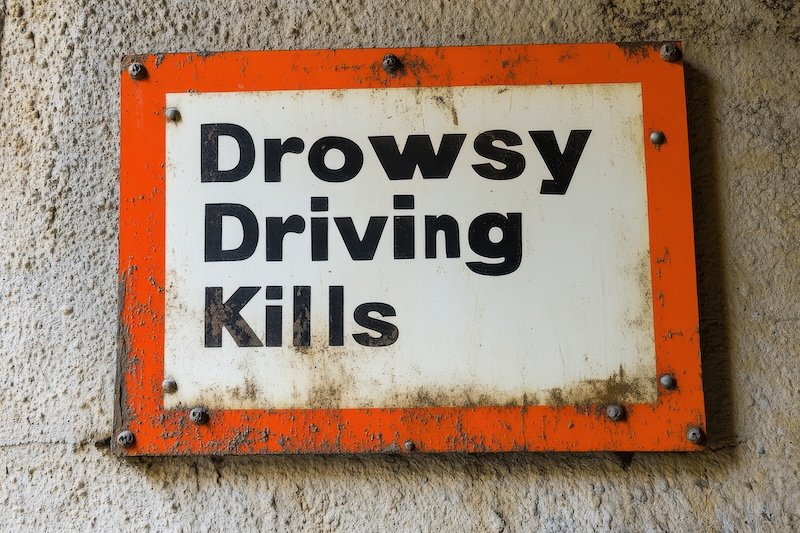
If you begin feeling tired, pull over somewhere safe and take a break. Stretch your legs, hydrate, or switch drivers if possible. While caffeine may provide a temporary boost, it isn't a substitute for adequate rest. Arriving a little later is almost always preferable to driving while exhausted (or not arriving at all!).
Be Extra Careful in Construction Zones
Summer is peak road construction season throughout Idaho. Reduced speed limits, narrowed lanes, shifting traffic patterns, and construction workers all require additional attention. Even familiar highways may look completely different from one trip to the next.
Slowing down and following posted signs not only protects workers but also helps reduce the likelihood of sudden lane-change collisions.
What Should You Do If You're Involved in an Accident?
Even careful drivers cannot prevent every collision. If an accident occurs, move to a safe location if possible and check everyone involved for injuries. Contact law enforcement when appropriate, exchange insurance and contact information, and document the scene by taking photographs of vehicle damage, road conditions, license plates, and the surrounding area.
Even relatively minor collisions may involve hidden damage beneath the surface. Modern bumpers often contain sensors, brackets, cameras, and structural components that aren't visible during a roadside inspection.
Having your vehicle professionally evaluated after an accident can help identify damage that may not be immediately apparent.

Frequently Asked Questions
What should I check before a summer road trip?
It's generally a good idea to inspect your tires, brakes, lights, windshield wipers, fluid levels, battery, and windshield before traveling long distances.
Does hot weather affect my tires?
Yes. High temperatures can increase tire pressure and accelerate wear. Proper inflation and good tread condition help reduce the risk of tire-related problems.
How often should I stop during a long drive?
Many safety experts recommend taking a break every couple of hours to stretch, hydrate, and stay alert, although your needs may vary depending on traffic and driving conditions.
Should I repair a small windshield chip before traveling?
In many cases, yes. Heat, road vibrations, and temperature changes can cause small chips to spread into larger cracks that may require windshield replacement.

Why does a minor accident sometimes require extensive repairs?
Modern vehicles contain advanced safety systems, sensors, cameras, and structural components hidden behind bumpers and body panels. Damage isn't always visible immediately after a collision.
Enjoy the Journey Safely
Road trips create lasting memories, but they also require preparation. By inspecting your vehicle, minimizing distractions, allowing extra travel time, and remaining alert throughout your trip, you can often reduce your chances of being involved in an accident.
Of course, even the most careful drivers sometimes find themselves dealing with damage caused by another motorist or unexpected road conditions. If that happens, having your vehicle repaired properly can help restore both its appearance and the safety features built into today's vehicles.
About Adesa Auto Body in Boise, Idaho
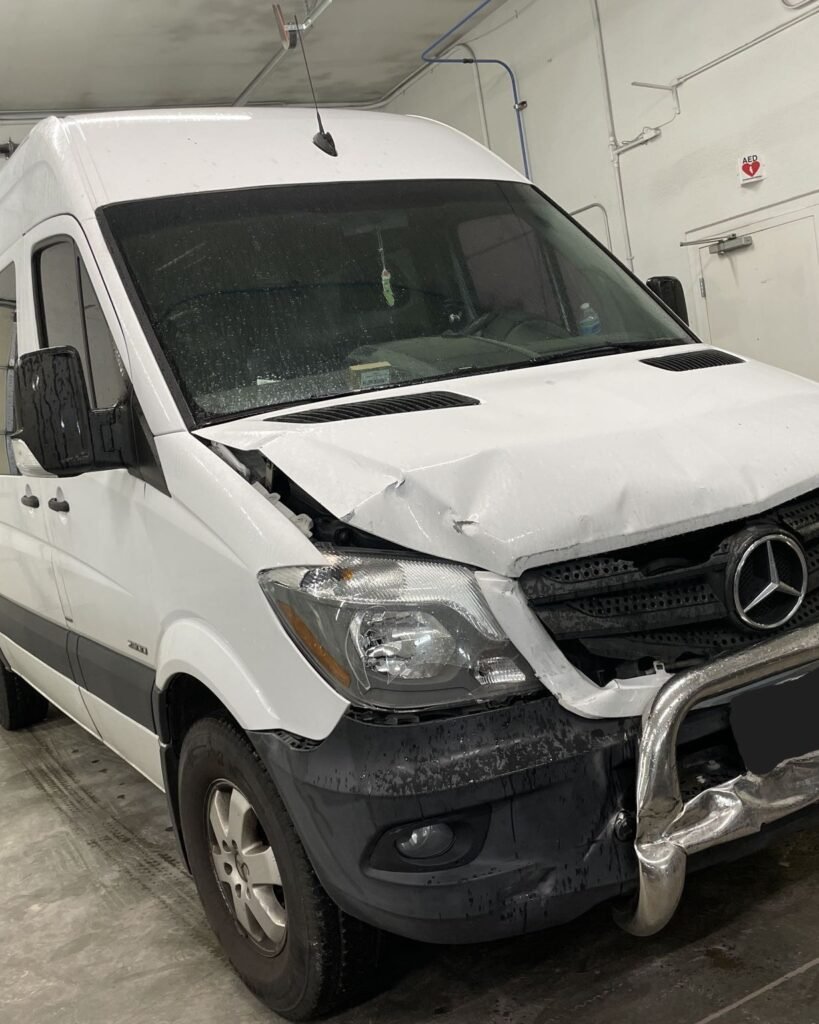
Adesa Auto Body has proudly served Boise and the greater Treasure Valley with professional collision repair since 2015. Our experienced technicians provide high-quality auto body repairs, frame straightening, paint matching, dent removal, bumper repair, aluminum body repair, and advanced driver assistance system (ADAS) calibration coordination for all makes and models. We work closely with customers throughout the repair process, communicate clearly, and are committed to restoring vehicles safely and correctly. Whether you've been involved in a minor parking lot accident or a more significant collision, Adesa Auto Body is here to help you get back on the road with confidence.