How Long Does Auto Body Repair Take? Understanding the Collision Repair Timeline
After an accident, one of the first questions nearly every driver asks is, "How long will my car be in the shop?" It's an understandable concern. Most people depend on their vehicles every day, whether they're commuting to work, transporting their kids, or simply running errands around town. Being without a vehicle—even for a few days—can quickly become inconvenient.
The honest answer is that every repair follows its own timeline. Some vehicles return to the road in just a few days, while others require several weeks of careful work. The difference usually has very little to do with how hard the repair shop is working and much more to do with the extent of the damage, insurance approvals, parts availability, and the sophisticated technology built into today's vehicles.
At Adesa Auto Body, we believe customers deserve realistic expectations from the beginning, along with regular updates throughout the repair process. Understanding what happens behind the scenes can make the wait much easier and explain why quality collision repairs simply cannot be rushed.
Every Collision Repair Starts with an Estimate: Collision Repair Timeline
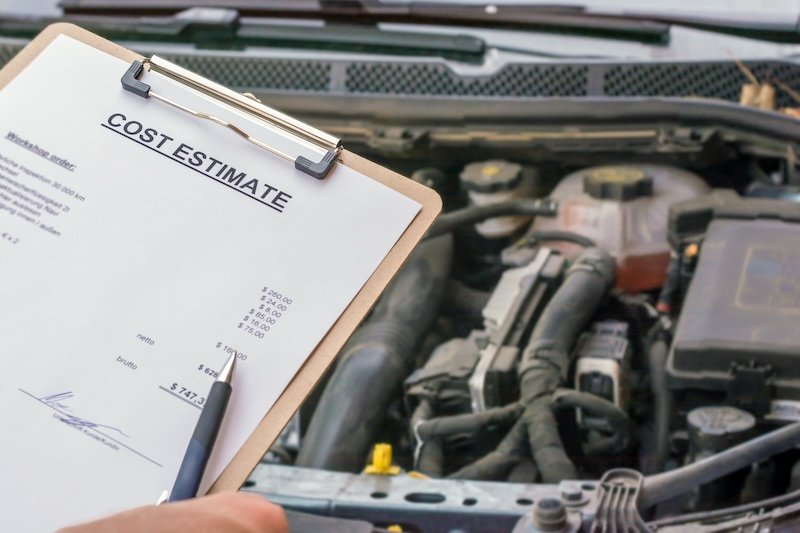
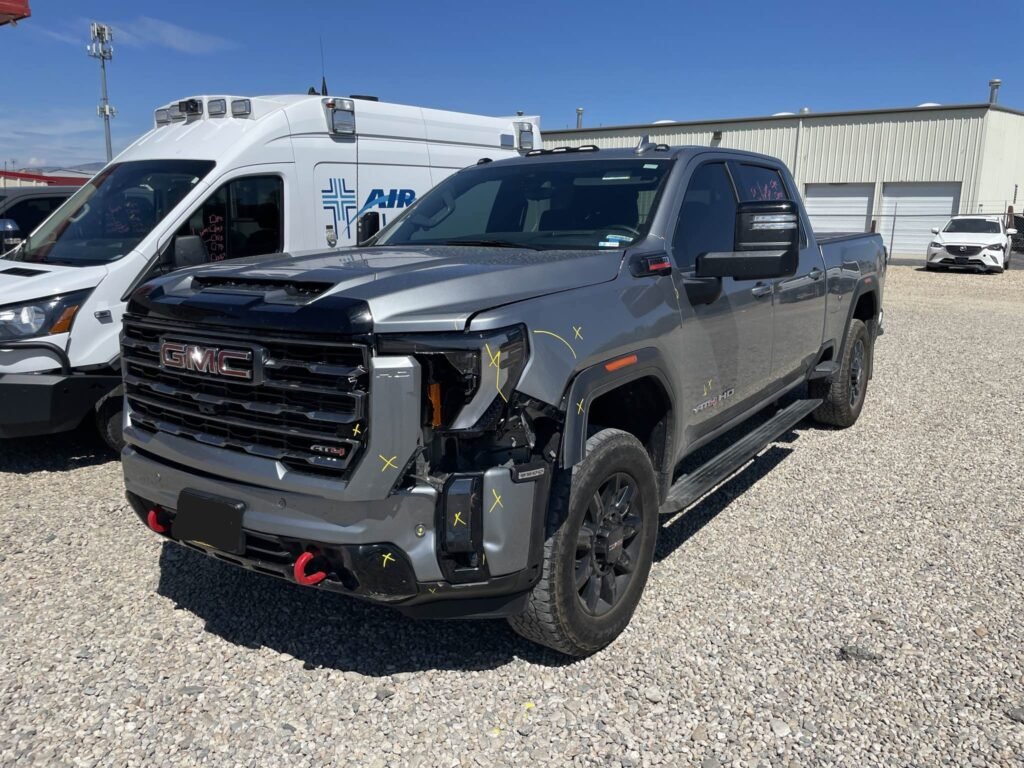
Every repair begins with an estimate based on the damage technicians can actually see. During this inspection, we photograph the vehicle, identify damaged areas, and prepare an initial repair plan that often serves as the basis for an insurance claim. While this estimate provides an excellent starting point, it cannot account for damage hidden beneath body panels, bumpers, or trim pieces.
Modern vehicles absorb impacts in ways that often conceal significant damage until technicians begin taking the vehicle apart. As a result, an estimate should be viewed as the beginning of the repair process rather than the final word on everything your vehicle may need.
Once your vehicle enters the shop, technicians begin carefully removing damaged panels and components so we can inspect what lies underneath. This stage often reveals damage that simply could not have been identified during the initial estimate. Although customers sometimes worry when they hear additional repairs are necessary, discovering hidden damage is actually one of the most common parts of professional collision repair.
Some of the issues technicians frequently uncover include:
Bent brackets and mounting points
Damaged wiring harnesses
Broken sensors
Cracked cooling components
Suspension damage
Structural damage behind exterior panels
Hidden damage to bumper reinforcement systems
Finding these problems doesn't mean someone made a mistake during the estimate. Instead, it reflects the reality that technicians cannot inspect areas hidden behind sheet metal until disassembly begins. Identifying every damaged component before repairs continue helps restore the vehicle safely and prevents future problems.
Why Repair Estimates Sometimes Change
When hidden damage appears, the repair shop prepares what is known as a supplement. A supplement documents repairs that could not have been identified during the original estimate and allows the insurance company to review and approve the additional work. While this process occasionally extends the repair timeline, it helps ensure that every damaged component receives proper attention rather than being overlooked.
Many customers become concerned when an estimate increases after teardown, but supplements are extremely common throughout the collision repair industry. They exist because no technician can see through metal, plastic, and structural components during an initial inspection. Taking the time to document additional damage protects both the customer and the insurance company while allowing the vehicle to be repaired correctly the first time.
Insurance Approval Can Influence the Collision Repair Timeline
If you're using insurance, the repair schedule often depends on more than the body shop alone. Before certain repairs can move forward, adjusters may need to review supplements, approve additional labor, authorize replacement parts, or verify manufacturer repair procedures. Even when a repair facility is ready to continue, those approvals sometimes require additional time.
Throughout the process, several parties work together, including:
Your collision repair shop
The insurance adjuster
Parts suppliers
Vehicle manufacturers
Specialized calibration providers, when necessary
Good communication among everyone involved usually helps keep repairs moving efficiently. At Adesa Auto Body, we keep customers informed throughout the process so they understand what is happening and why.
Parts Availability Can Make a Big Difference
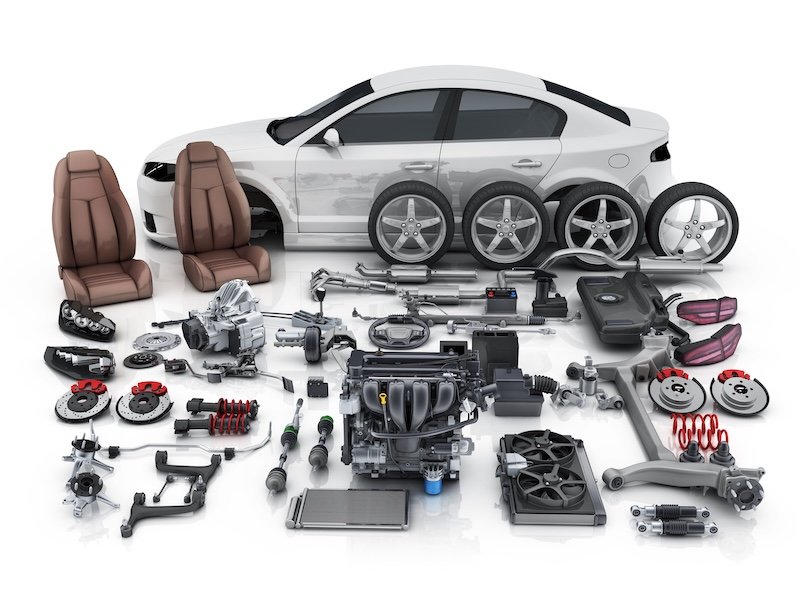
After repairs receive approval, the next step often involves ordering replacement parts. While many components arrive quickly, others may require additional shipping time or become temporarily backordered by the manufacturer. This is especially true for newer vehicles, specialty trim pieces, and advanced electronic components.
Replacement parts may include:
OEM (Original Equipment Manufacturer) parts
Aftermarket parts
Recycled OEM parts
Headlights and taillights
Bumpers and reinforcement bars
Moldings and trim
Cameras and radar sensors
Although waiting for parts can feel frustrating, reputable collision repair facilities avoid installing incorrect or poor-quality components simply to finish a repair sooner. Using the proper parts helps restore the vehicle's appearance, safety, and long-term reliability.
Modern Vehicles Require More Than Traditional Repairs
Collision repair has changed dramatically over the past decade. Today's vehicles contain cameras, radar systems, parking sensors, blind-spot monitoring, adaptive cruise control, lane departure warnings, and automatic emergency braking systems. Many of these components hide behind bumpers, mirrors, windshields, or grilles, meaning even relatively minor collisions can affect sophisticated safety technology.
After repairs, many vehicles require Advanced Driver Assistance Systems (ADAS) calibration before they safely return to the road. Depending on the vehicle, this process may involve:
Forward-facing camera calibration
Radar calibration
Blind-spot monitoring verification
Lane departure system calibration
Parking sensor testing
Diagnostic scans before and after repairs
Although calibration adds another step to the repair timeline, it plays a critical role in restoring the safety features your vehicle relied on before the accident. Skipping this process simply isn't worth the risk.
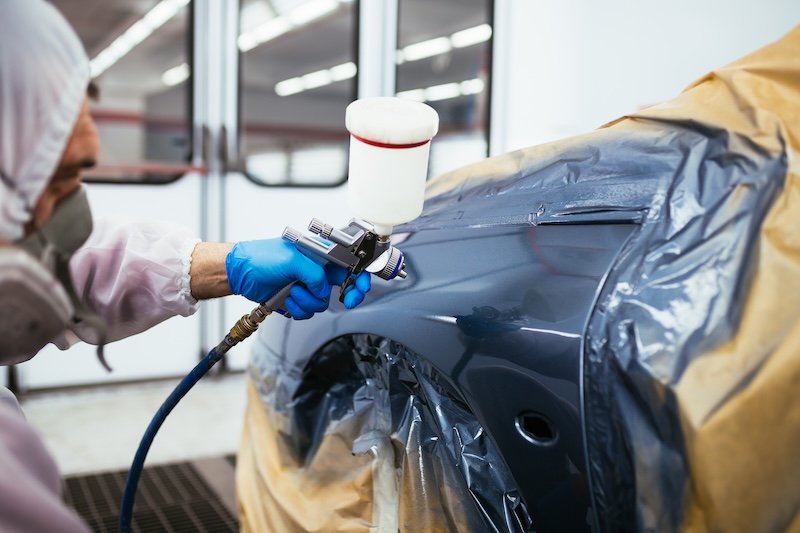
Painting Is Only Part of the Refinishing Process Many customers assume the repair is almost complete once the vehicle enters the paint booth. In reality, refinishing involves much more than spraying color onto repaired panels. Technicians spend significant time preparing surfaces, carefully matching factory paint, and allowing finishes to cure properly before reassembly begins.
After painting, the vehicle still undergoes several important stages, including:
Reassembly
Panel alignment
Final detailing
Quality-control inspections
System verification
Final customer-ready inspection
Each of these steps contributes to the quality of the finished repair. While rushing the process might shorten the timeline slightly, it can also compromise the appearance and durability of the repair.
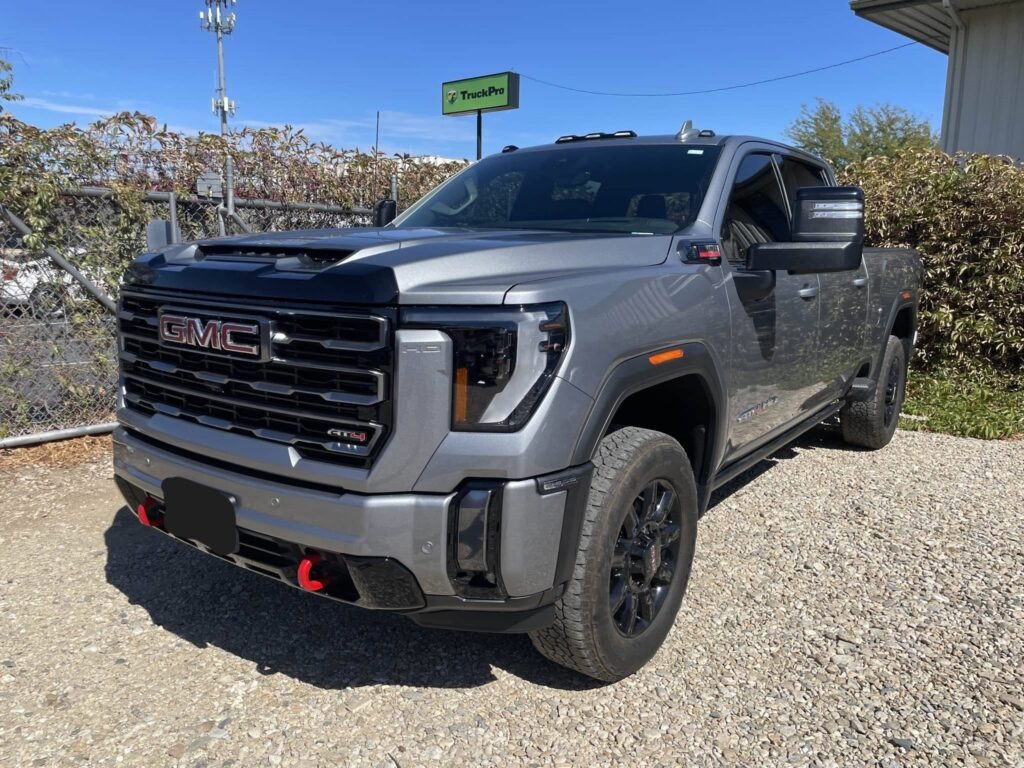
Quality Repairs Take Time for a Reason Everyone wants their vehicle back as quickly as possible. And a reputable body shop will share that goal. At the same time, collision repair involves much more than replacing damaged parts. It requires careful inspections, manufacturer-approved repair procedures, quality replacement components, paint refinishing, safety system calibration, and multiple quality-control checks before we return the keys to the customer.
If you've been searching for Boise collision repair or wondering how long collision repair takes, remember that the fastest repair isn't always the best repair. A properly restored vehicle should not only look like it did before the accident but also perform as safely as the manufacturer intended.
At Adesa Auto Body, we'd rather take the time necessary to do the job right than rush a vehicle out the door before it's truly ready. We believe that's what every customer deserves.
About Adesa Auto Body in Boise, Idaho
Adesa Auto Body has proudly served Boise and the Treasure Valley for more than a decade, providing expert collision repair for all vehicle makes and models. As an independent auto body shop, Adesa works for its customers—not insurance companies—and follows manufacturer-recommended repair procedures whenever applicable. From minor dents and paint refinishing to structural repairs and ADAS calibrations, the experienced team focuses on craftsmanship, honest communication, and repairs that restore both the appearance and safety of every vehicle. Whether you've experienced a small parking lot accident or major collision damage, Adesa Auto Body delivers the quality and personal service drivers throughout the Treasure Valley have come to trust.