 Can You Drive After an Accident? What Every Boise Driver Should Know
The moments after a car accident can feel overwhelming. Once everyone has been checked for injuries and the initial shock begins to wear off, one of the first questions many drivers ask is surprisingly simple:
Can I still drive my car?
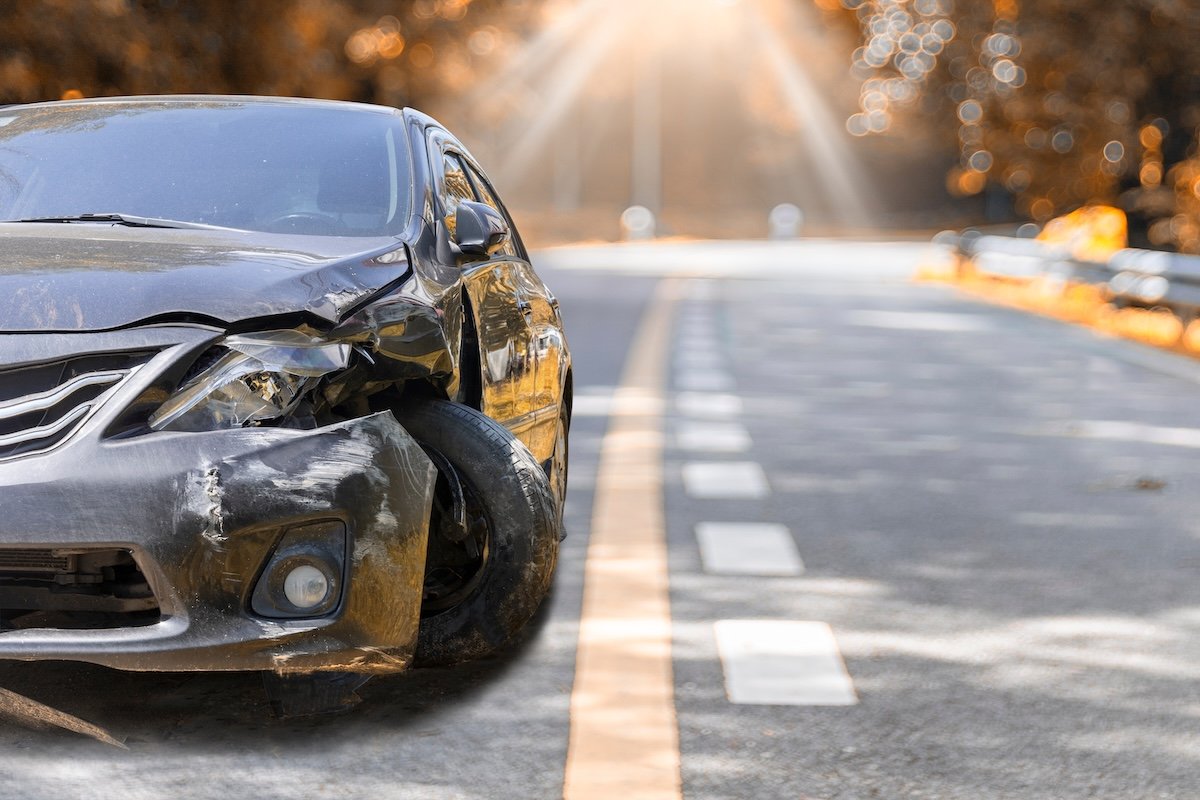
Sometimes the answer is yes. Other times, driving away could make the damage worse—or even put you and everyone else on the road at risk. The challenge is that accident damage isn’t always obvious. A bumper may have only a small crack while significant structural damage hides underneath.
At Adesa Auto Body, we’ve seen countless vehicles arrive after drivers assumed they were safe because the damage looked minor. In many cases, hidden problems could have led to expensive repairs or dangerous driving conditions had the vehicle remained on the road.
Knowing what to look for after a collision can help you make a safer decision.
Cosmetic Damage Doesn’t Tell the Whole Story After an Accident
One of the biggest misconceptions after an accident is that visible damage reflects the true condition of the vehicle.Modern vehicles are designed to absorb crash energy. Much of that energy gets redirected into areas that drivers can’t easily see. The bumper cover, fenders, and body panels may only show scratches while components underneath have bent, shifted, or cracked.
Even relatively low-speed collisions can affect:
- Frame components
- Suspension parts
- Steering systems
- Radiators and cooling components
- Airbag sensors
- ADAS (Advanced Driver Assistance Systems)
- Wheel alignment
Without a professional inspection, it’s often impossible to know exactly what happened beneath the surface.
 Hidden Frame Damage Can Affect Vehicle Safety
Today’s vehicles rely on precisely engineered structural components to protect occupants during a collision. If part of the frame or unibody has shifted—even slightly—it may no longer perform the way it was designed during another accident.
Drivers sometimes notice clues such as:
- The steering wheel no longer sits straight.
- Doors become harder to open or close.
- Uneven gaps appear between body panels.
- The vehicle seems to drift while driving.
- Tires begin wearing unevenly.
These symptoms may indicate structural damage that requires professional measurement using specialized equipment. Continuing to drive with compromised structural components may reduce your vehicle’s ability to protect you in a future collision.
Watch for Fluid Leaks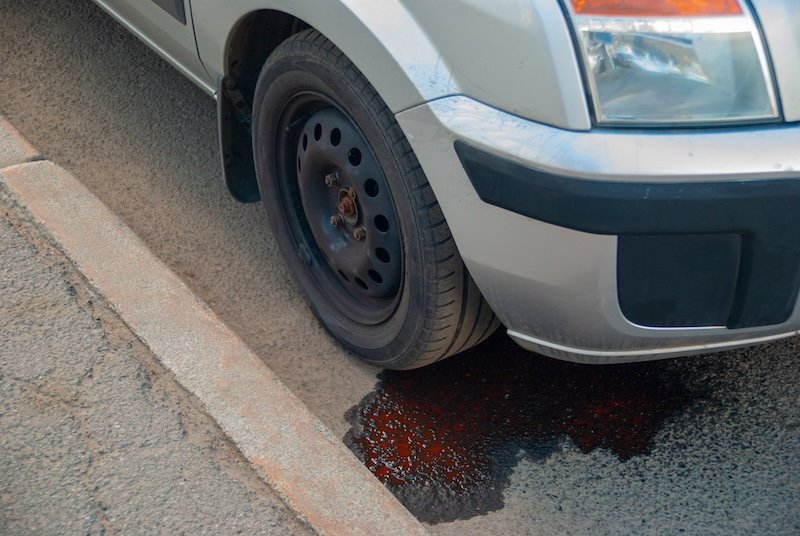
After an accident, always take a quick look underneath your vehicle before driving away. Fresh puddles or dripping fluids deserve immediate attention.
Possible leaks include:
- Engine oil
- Coolant
- Transmission fluid
- Brake fluid
- Power steering fluid (on applicable vehicles)
Some fluids may appear clear, while others may be green, orange, pink, red, or dark brown. A leaking radiator could cause the engine to overheat within minutes. Brake fluid leaks can reduce stopping power. Transmission leaks may leave you stranded. If you notice active leaking, it’s generally much safer to have the vehicle towed than risk further damage.
 Steering and Suspension Problems Aren’t Always Obvious
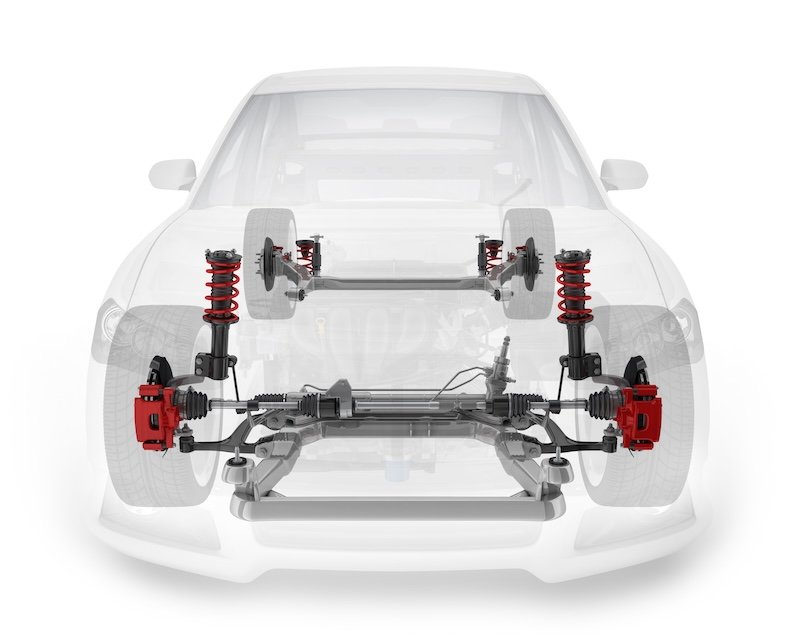
Even if your vehicle starts normally, the steering or suspension may have suffered damage.
Pay attention if:
- The steering wheel feels loose.
- Your vehicle pulls to one side.
- The steering feels unusually heavy.
- Vibrations develop while driving.
- One corner of the vehicle appears lower.
- The ride suddenly feels rougher than before.
These issues may indicate bent suspension components, damaged control arms, steering linkage problems, or alignment issues. Driving with compromised suspension affects handling, braking, and tire wear, making the vehicle less predictable during emergency maneuvers.
Airbags and Safety Systems Need Professional Evaluation
Many people assume that if the airbags didn’t deploy, everything is working correctly. That’s not always the case. Modern vehicles contain numerous crash sensors that communicate with sophisticated safety systems. Even when airbags remain stored, sensors, seatbelt pretensioners, or related electronic components may require inspection or replacement. Additionally, some warning lights don’t appear until after onboard diagnostic systems complete self-checks. Ignoring those warnings could leave important safety features unavailable when they’re needed most.
 Advanced Driver Assistance Systems May Need Recalibration
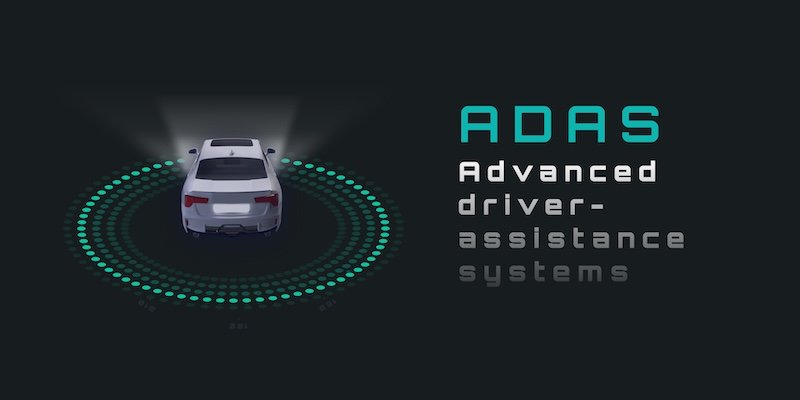
Today’s vehicles include technology that constantly monitors the road around you.
These systems may include:
- Forward collision warning
- Automatic emergency braking
- Lane departure warning
- Blind spot monitoring
- Adaptive cruise control
- Parking sensors
- Surround-view cameras
Many of these features rely on cameras and sensors mounted behind bumpers, windshields, mirrors, or grilles. So, even a relatively minor impact can move those components just enough to affect their accuracy. For example, a lane-keeping camera that’s only a few millimeters out of position may no longer recognize lane markings correctly.
That’s why proper ADAS calibration has become an essential part of modern collision repair.
Dashboard Warning Lights Should Never Be Ignored After an Accident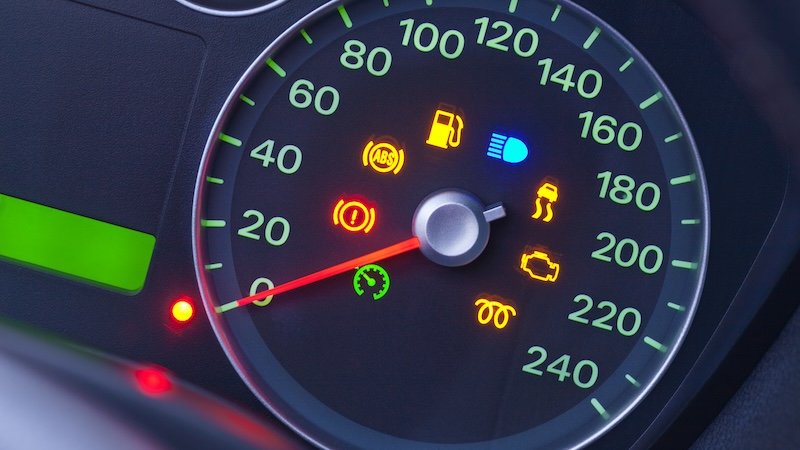
After an accident, warning lights deserve immediate attention.
These may include:
- Check Engine
- ABS
- Airbag
- Traction Control
- Power Steering
- Tire Pressure Monitoring System
Some lights indicate minor issues. However, others point to safety systems that may not function properly if another emergency occurs. A professional diagnostic scan helps determine which systems have been affected and what repairs may be necessary.
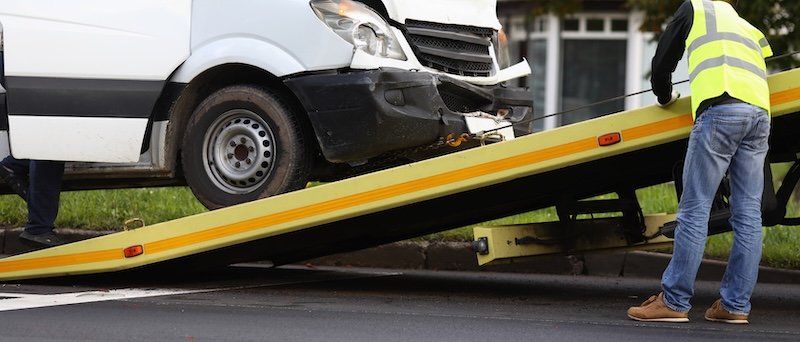 Sometimes the Safest Decision Is a Tow Truck Rather Than Drive After an Accident
Many drivers hesitate to call a tow truck because they assume it will cost more than simply driving the vehicle home.However, driving a damaged vehicle can sometimes create additional repair costs that far exceed the price of towing.
If you notice any of the following, transport the vehicle to a qualified collision repair facility. (We can help you arrange this.)
- Fluid leaks
- Smoke
- Steam
- Steering problems
- Suspension damage
- Airbag warning lights
- Difficulty controlling the vehicle
- Significant front-end damage
Protecting both your safety and the integrity of your vehicle is almost always worth it.
A Professional Inspection Provides Peace of Mind
Not every accident results in major damage. In fact, many vehicles can be repaired without extensive structural work. The important thing is making that determination based on a thorough inspection rather than appearances alone.
Modern collision repair involves far more than replacing damaged body panels. Today’s technicians evaluate structural integrity, perform computerized diagnostics, inspect mechanical systems, verify manufacturer repair procedures, and recalibrate advanced safety technology when necessary.
That comprehensive approach helps restore vehicles to the standards the manufacturer intended.
At Adesa Auto Body, our technicians combine advanced diagnostic equipment, OEM repair procedures, and the latest collision repair technology to identify both visible and hidden damage. Whether your accident was a parking lot bump or a major collision, we’ll perform a thorough inspection, explain our findings clearly, and help you make informed decisions about your vehicle’s safety.
About Adesa Auto Body in Boise, Idaho
For more than a decade, Adesa Auto Body has provided high-quality collision repair for drivers throughout the Treasure Valley. Their experienced technicians specialize in OEM repair procedures, structural repairs, paint matching, dent repair, ADAS calibration coordination, and complete collision restoration. Known for outstanding customer communication and exceptional craftsmanship, Adesa Auto Body is committed to restoring every vehicle safely, correctly, and with the attention to detail today’s advanced vehicles require.