 Why Does Collision Repair Sometimes Require Removing Undamaged Parts?
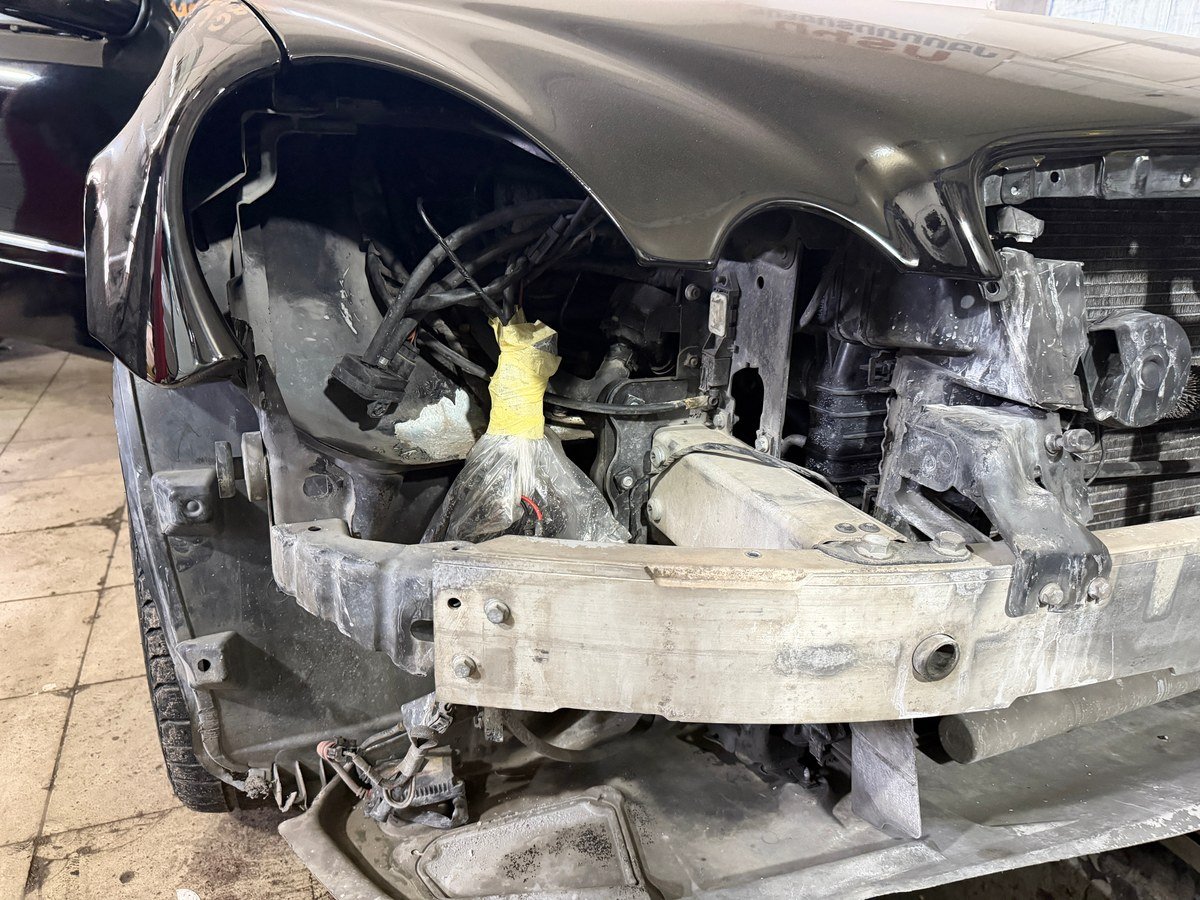
Imagine taking your car to an auto body shop to repair a damaged front fender. A few days later, you discover technicians have removed the headlight, bumper cover, and several other components that survived the accident without a scratch. Why would anyone need to take apart perfectly good portions of your vehicle? At Adesa Auto Body in Boise, Idaho, we recognize that some aspects of collision repair may seem counterintuitive. However, temporarily removing undamaged components often allows our technicians to achieve a more precise, durable, and thorough repair.
What Does R&I Mean on a Collision Repair Estimate?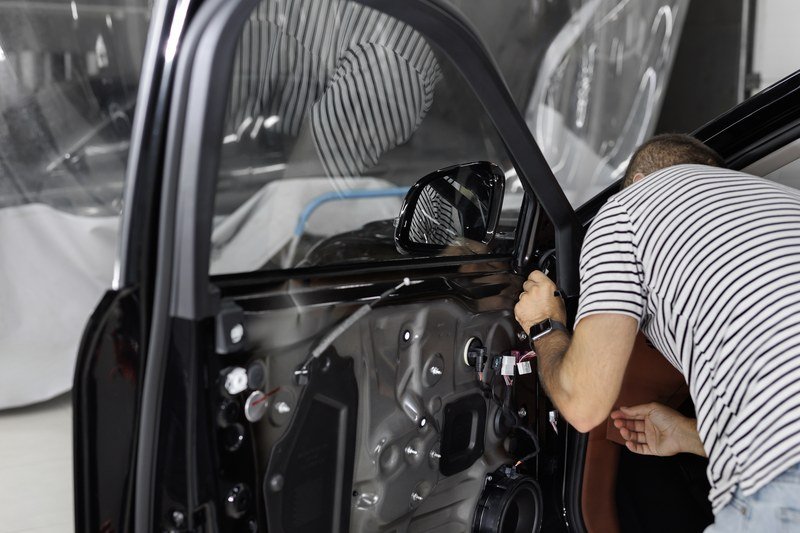
If you examine a detailed collision repair estimate, you may notice the abbreviation R&I. This stands for Remove and Install, sometimes referred to as Remove and Reinstall. Unlike R&R (Remove and Replace), this operation typically involves retaining the original component. Although the part itself doesn’t require replacement, removing it may provide access to another repair area or protect it during the repair process. Consequently, an estimate may include labor for several components that sustained no collision damage.
Creating Adequate Access for Collision Repair
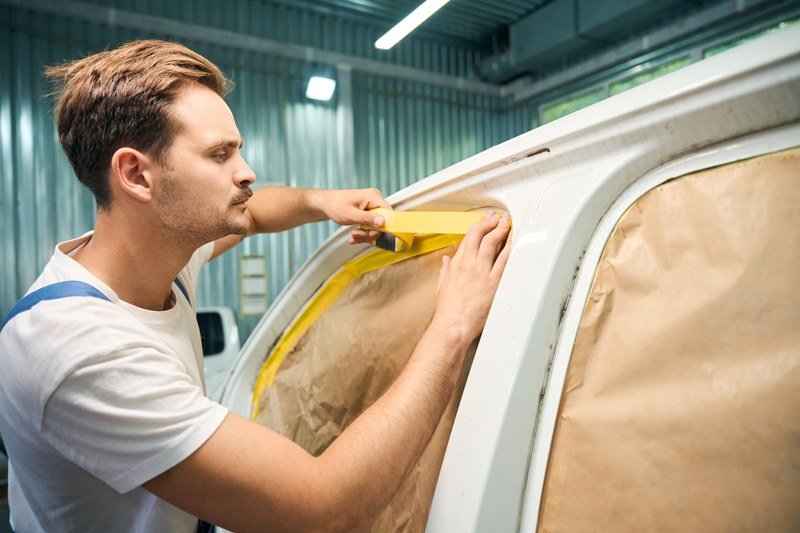 Automotive manufacturers assemble vehicles in a particular sequence. Consequently, reaching certain attachment points may require technicians to reverse portions of that sequence. Otherwise, surrounding components could interfere with the equipment and tools necessary to complete the repair. For example, repairing or replacing a damaged structural pillar could require removing an adjacent door, interior trim, or even the windshield. While these components may appear perfectly intact, their removal allows technicians to reach areas that would otherwise remain inaccessible.
Depending on the repair, technicians may need to temporarily remove:
- Headlights and taillights
- Bumper covers
- Wheel well liners
- Door handles
- Interior trim panels
- Windshields and other glass
- Exterior moldings
- To name a few…
Protecting Undamaged Components During Repairs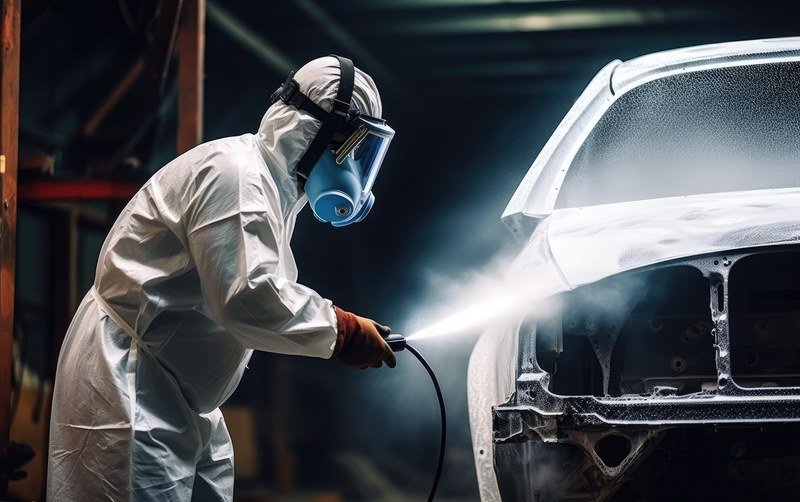
Certain collision repair operations generate heat, dust, sparks, or other conditions that could damage surrounding materials. Although protective coverings may suffice in some situations, temporarily removing vulnerable components can offer better protection.
For example, electronic equipment and plastic trim may require special consideration during structural repairs. Additionally, upholstery and interior components may need protection during authorized welding operations.
Careful disassembly helps technicians preserve the parts of your vehicle that don’t need repairs.
 Why Automotive Paint Blending Extends Beyond the Damaged Area
Even when a technician accurately identifies a vehicle’s paint formula, applying that color to a repaired panel may produce subtle differences. Factors such as metallic pigment orientation, paint application, and the condition of the existing finish can affect the appearance.
To create a smooth visual transition, refinishing technicians may blend the new color into an adjacent, undamaged panel. For example, refinishing a front fender may also require blending color into the neighboring door.
However, achieving a professional finish often involves more than covering door handles and moldings with masking tape. Removing these components can allow technicians to properly prepare and refinish the surrounding surfaces without leaving undesirable paint edges.
Creating Space for Accurate Structural Measurements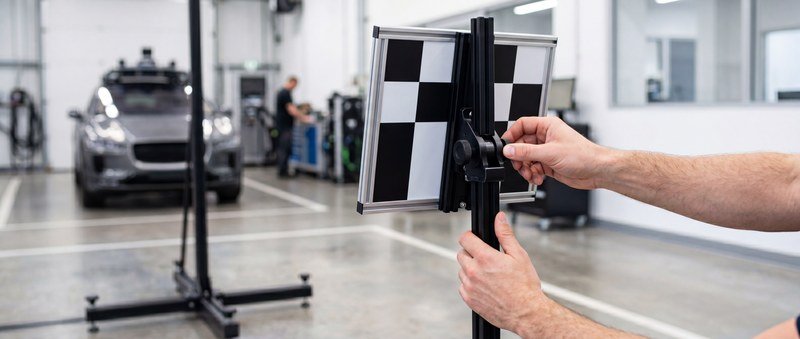
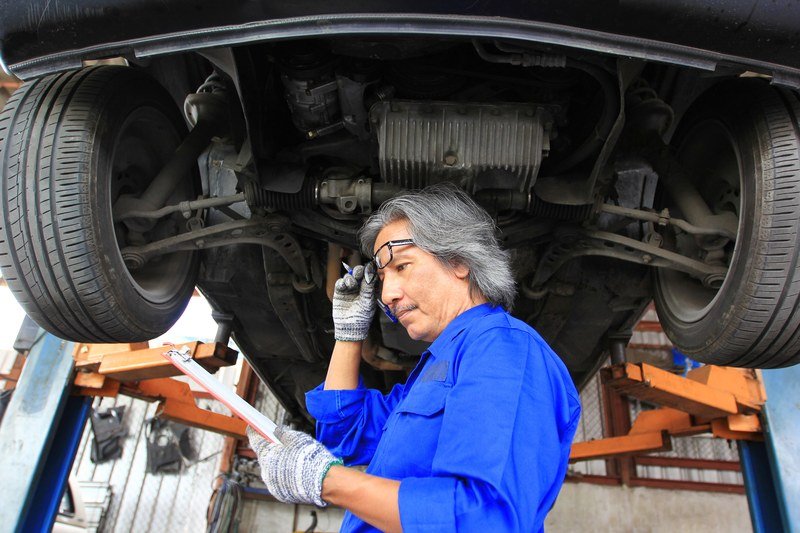
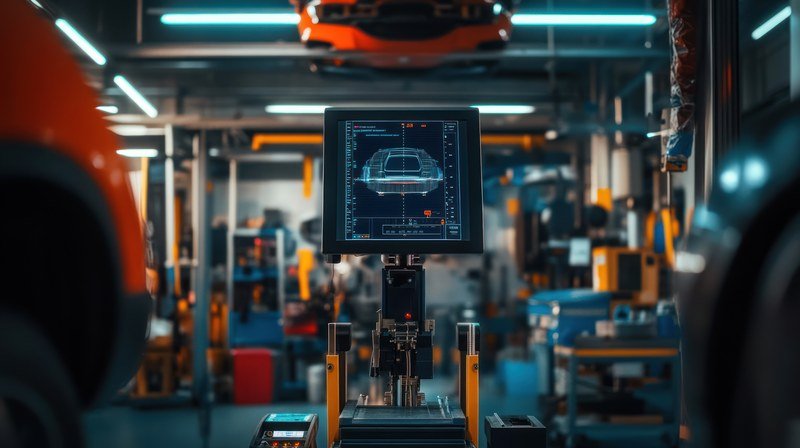
Modern collision repair equipment allows technicians to compare specific vehicle dimensions against manufacturer specifications. However, accurately accessing reference points may require removing components that obstruct those locations.
For instance, bumper assemblies, underbody shields, and interior panels may interfere with certain measurements. Removing these obstacles allows technicians to position specialized equipment and obtain the information they need.
Furthermore, measurements taken during different stages of the repair help technicians verify that corrections meet applicable manufacturer specifications.
Why Undamaged Sensors May Require Calibration
 Advanced Driver Assistance Systems (ADAS) rely on precisely positioned cameras, radar units, and other sensors. Technicians sometimes need to remove these devices or their mounting components to complete unrelated collision repairs.
Even when a sensor has no physical damage, removing and reinstalling it may trigger manufacturer calibration requirements. The same principle can apply when technicians remove certain bumpers, mirrors, or other components associated with driver assistance technology. Importantly, a dashboard without warning lights doesn’t necessarily establish that a system meets its calibration requirements. That’s why technicians must consult vehicle-specific repair information before returning the car to its owner.
Can Undamaged Parts Always Be Reused?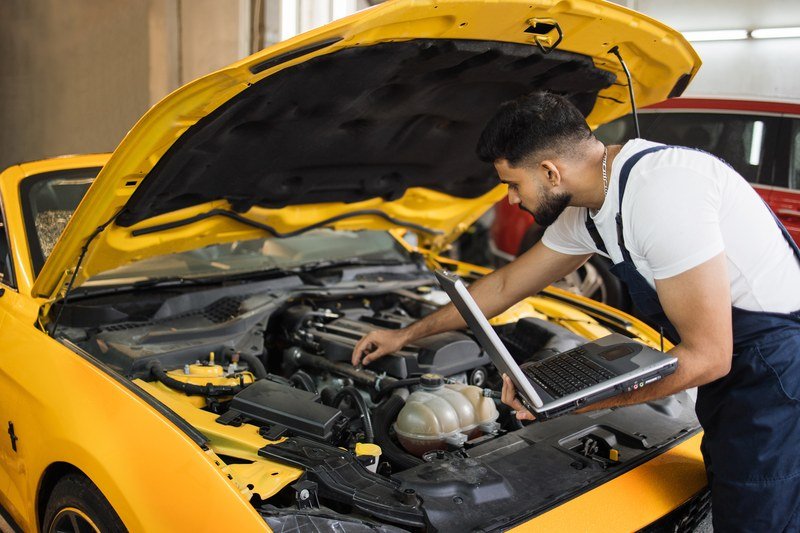
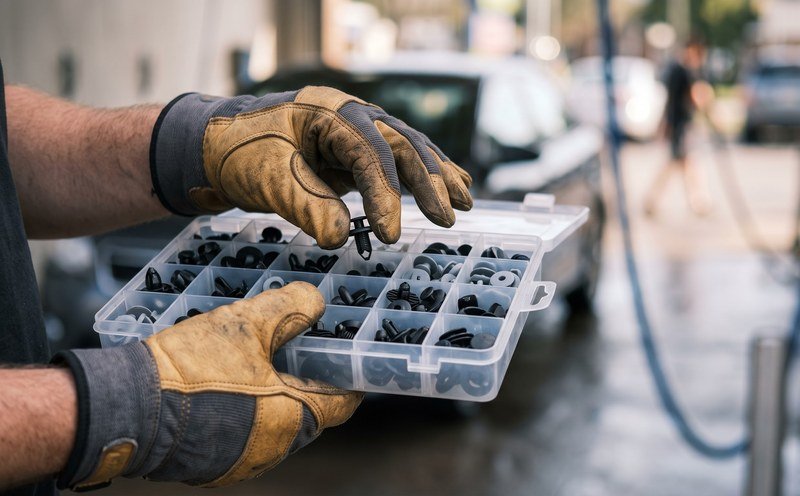
Not necessarily. Some automotive manufacturers specify that certain fasteners, clips, seals, or adhesives cannot be reused after removal.
For example, a technician may reinstall an undamaged exterior molding but need new mounting clips to secure it properly. Likewise, certain components require new seals during reassembly to prevent moisture intrusion. Although these items may seem insignificant individually, their installation contributes to the fit, functionality, and durability of the completed repair.
How OEM Repair Procedures Guide Disassembly
Original Equipment Manufacturer (OEM) repair procedures help establish which components technicians must remove, protect, replace, or reinstall during a particular operation. These requirements vary depending on the vehicle’s manufacturer, model, and construction.
Therefore, technicians cannot necessarily approach similar-looking vehicles using identical repair methods. Two cars with comparable exterior damage may require considerably different disassembly procedures.
At Adesa Auto Body, we follow applicable manufacturer repair procedures rather than relying on shortcuts or assumptions about how a vehicle should come apart.
 Why Thorough Collision Repair Takes Time
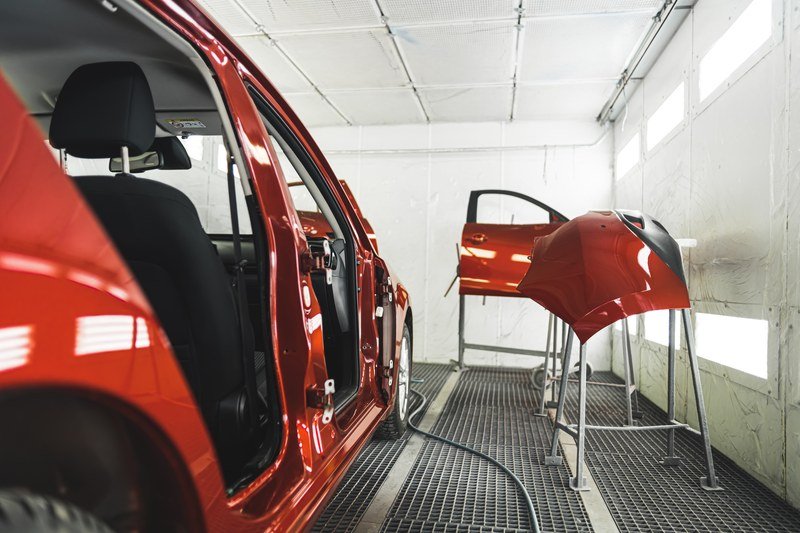
Removing, organizing, protecting, and reinstalling undamaged components requires skill and attention to detail. During reassembly, technicians must also address proper connections, attachment hardware, component alignment, and applicable functional checks.
Although customers rarely see this behind-the-scenes work, these operations contribute to the quality of the finished repair. A properly restored vehicle should reflect the care technicians devoted to the entire repair process, not just the visibly damaged area.
For drivers throughout Boise and the rest of the Treasure Valley, our team remains committed to performing collision repairs with precision, professionalism, and respect for your vehicle.
About Adesa Auto Body in Boise, Idaho
Since 2015, Adesa Auto Body has provided premium collision repair services to drivers throughout Boise, Meridian, Eagle, Nampa, Kuna, Star, and the greater Treasure Valley. As an independent I-CAR Gold Class collision repair facility, Adesa Auto Body follows OEM repair procedures, uses manufacturer-approved methods, and works with all insurance companies while always putting the vehicle owner’s interests first. From minor dents to major collision repairs, aluminum body repair, paint refinishing, and insurance claim assistance, the team remains committed to restoring every vehicle safely, accurately, and with exceptional customer service.