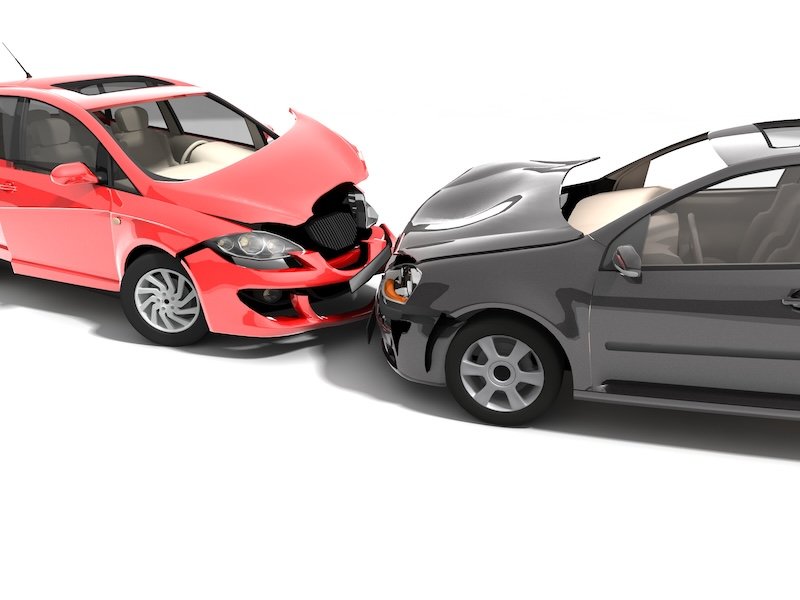
 A vehicle can come out of a collision looking surprisingly intact. Perhaps the bumper has a crack, the fender needs replacement, or the rear of the vehicle shows only moderate damage. Beneath those visible panels, however, parts of the vehicle may have absorbed tremendous crash forces exactly as engineers designed them to do. As a result, what looks like relatively straightforward body damage can involve important structural components hidden from view. Modern vehicles rely on crumple zones to help manage the energy generated during a collision. These carefully engineered areas deform in specific ways to absorb and redirect crash forces away from the passenger compartment. Once those structures have performed their job in an accident, proper collision repair requires much more than making the exterior look right again.
What Exactly Are Crumple Zones?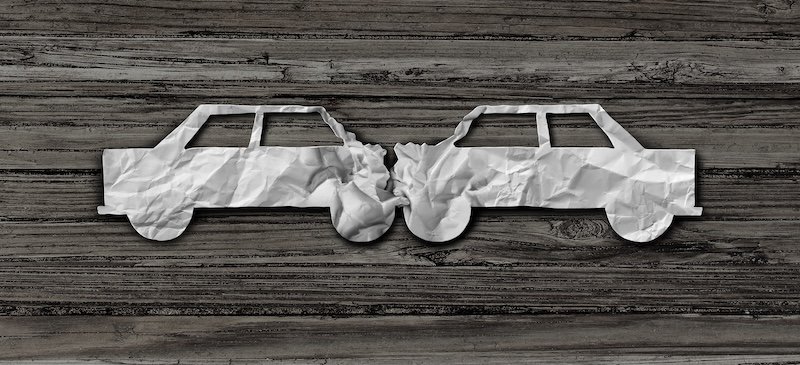
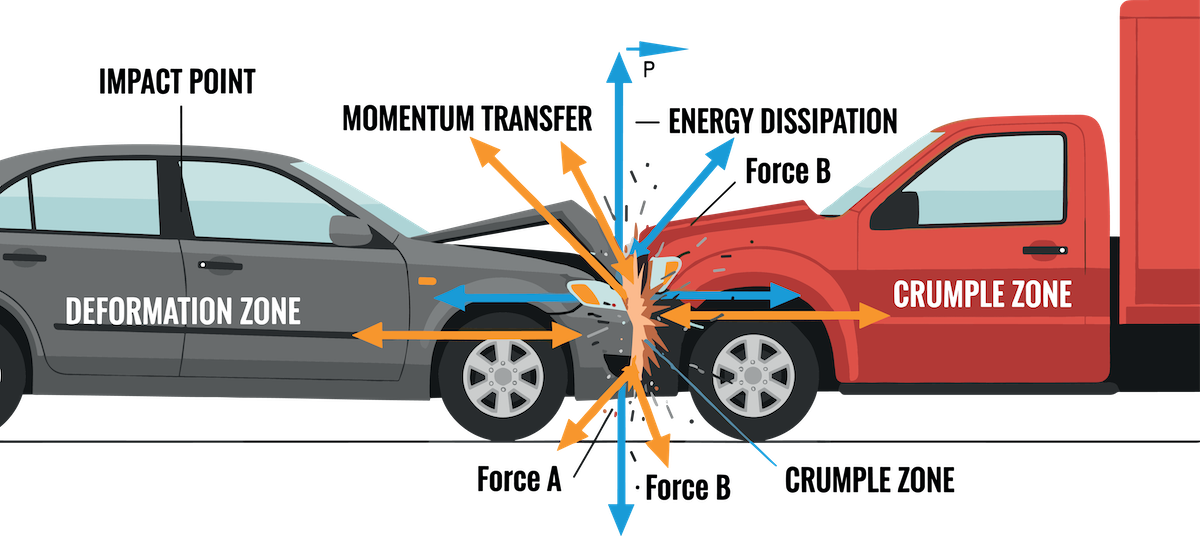
Crumple zones are sections of a vehicle specifically engineered to deform during certain types of impacts. Manufacturers typically incorporate them into areas such as the front and rear structure, where controlled deformation can absorb some of the collision energy before it reaches vehicle occupants. Although the word “crumple” might sound like a structural weakness, that controlled response actually plays an important role in modern vehicle safety. Meanwhile, engineers design the passenger compartment with a different goal in mind. While designated areas around it absorb and redirect energy, the occupant compartment should maintain its integrity as much as possible. Consequently, numerous structural components must work together during a crash rather than simply making the entire vehicle as rigid as possible.
What Happens to Crumple Zones During a Collision?
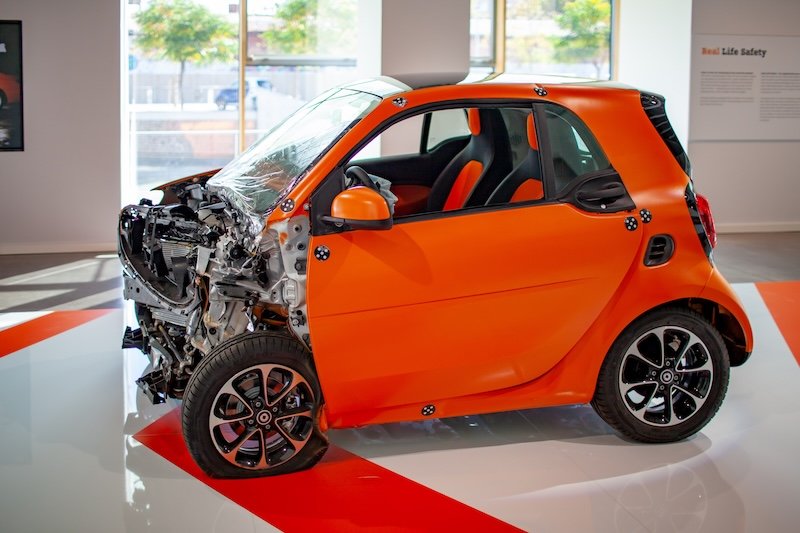 When another vehicle or object strikes your car, collision energy travels through its structure. Depending on the direction and severity of the impact, specific components may bend, buckle, compress, or collapse as they absorb those forces. Manufacturers carefully design many of these components to respond in particular ways under specific crash conditions. However, that controlled deformation comes with an important consequence. A component that absorbed energy during one collision may need repair or replacement before the vehicle can safely return to the road. Simply pulling damaged metal back into shape does not necessarily restore its original properties or ensure that it will react as intended during another accident.
How Can Structural Damage Remain Hidden?
Collision damage does not always correspond with what you can see from outside the vehicle. For example, a plastic bumper cover may flex during an impact and partially return to its original shape afterward. Behind that cover, however, energy absorbers, reinforcement components, mounting points, or structural areas may have sustained damage. Additionally, collision forces can travel beyond the obvious point of impact. A hit to one area may transfer energy farther into the vehicle, affecting components that initially appear unrelated to the visible damage. Therefore, technicians often need to remove exterior parts and inspect the underlying structure before we can fully understand what the accident did to the vehicle.
Why Looking Good Isn’t Enough
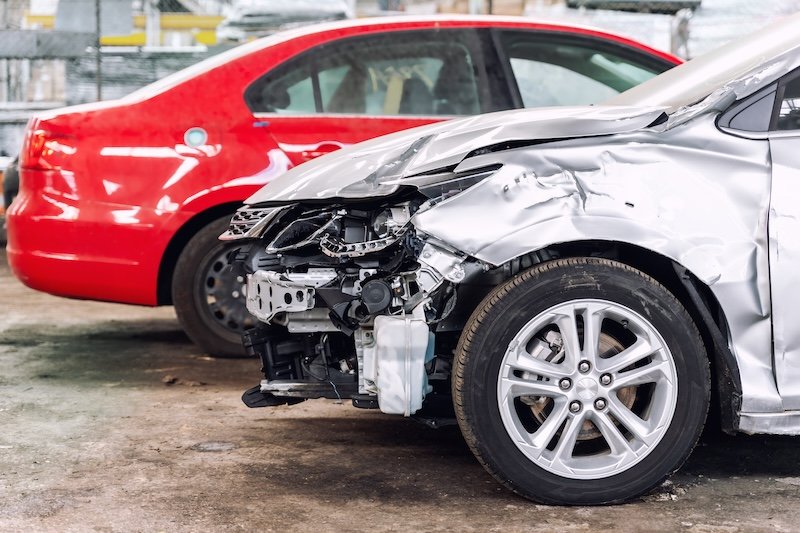 Naturally, vehicle owners want their repaired cars to look the way they did before the accident. Proper panel alignment, smooth paint, consistent gaps, and an accurate color match all contribute to a quality repair. Nevertheless, the structure underneath those finished surfaces matters just as much—and in some cases, much more.
During the repair process, we may need to evaluate several areas that affect how the vehicle performs after a collision, including structural components and their attachment points, crush zones and energy-absorbing components, bumper reinforcement systems, welds and seams, steering and suspension components, and equipment associated with advanced safety systems. Each area can provide important information about how collision forces traveled through the vehicle.
Because so much critical information can hide beneath exterior panels, a vehicle could look excellent while still have unresolved damage underneath. For that reason, proper collision repair requires technicians to investigate what happened below the surface rather than focusing exclusively on cosmetic results.
At Adesa Auto Body, OEM Repair Procedures Guide the Repair
Modern vehicle construction has become increasingly sophisticated. Manufacturers may combine different grades of steel, aluminum, adhesives, fasteners, welds, and other materials and joining methods within a single vehicle. Therefore, our technicians never assume that a repair method appropriate for one model will also work for another.
Instead, automakers publish OEM repair procedures that provide vehicle-specific information. And this is what we religiously follow about how to approach damaged components. Depending on the vehicle and affected area, those procedures may specify whether we can straighten a component, when replacement becomes necessary, where sectioning can occur, and which welding or joining methods the repair requires. Following OEM repair procedures whenever applicable helps us make repair decisions based on manufacturer specifications rather than assumptions.
Can a Crumple Zone Work Again After Repair?
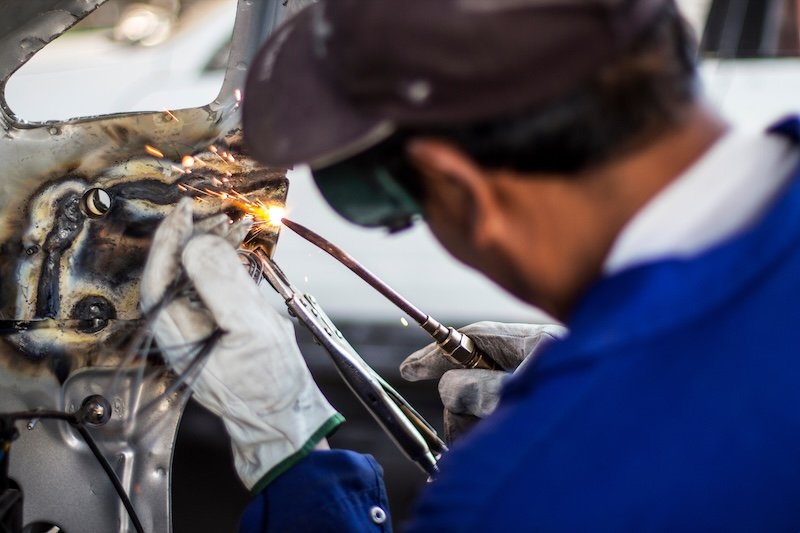
 Whether we can repair a damaged crumple-zone component depends on several factors, including the vehicle, material, location, severity of damage, and manufacturer’s instructions. In some cases, OEM procedures may permit repair within clearly defined limits. In others, the manufacturer requires replacement because straightening or altering the component could affect how it responds during a future collision. Material type also plays an important role in that decision. For instance, modern vehicles frequently contain high-strength and ultra-high-strength steels with very specific repair restrictions. Because improper heating, pulling, cutting, or welding can change the properties of certain materials, technicians need the right information, equipment, and training before making structural repairs.
Ultimately, the goal goes far beyond making damaged metal straight again. A proper repair should address the vehicle according to its engineered design and applicable manufacturer procedures. That distinction matters particularly in areas specifically created to manage crash energy.
Crumple-Zone Damage Can Also Affect ADAS
Structural repairs have also become increasingly connected to the electronic safety technology inside modern vehicles. Many cars now use cameras, radar units, ultrasonic sensors, and other equipment for advanced driver assistance systems, commonly called ADAS. These systems may support features such as automatic emergency braking, blind-spot monitoring, adaptive cruise control, lane departure warnings, and parking assistance.
During a collision, a sensor may sustain direct damage, or the impact may alter the position of components associated with the system. Furthermore, removing, replacing, or repairing certain parts can create a need for calibration even when the sensor itself looks undamaged. Consequently, experienced technicians consider both structural repairs and the electronic systems that depend on precise positioning.
When applicable, at Adesa Auto Body, we perform ADAS calibrations so affected systems receive the appropriate attention before the vehicle returns to the customer. This step illustrates how modern collision repair increasingly combines body repair, structural knowledge, manufacturer procedures, and sophisticated vehicle technology.
Proper Collision Repair Goes Beneath the Surface
 After an accident, visible damage naturally gets your attention first. A crushed bumper, dented quarter panel, broken headlight, or scraped door provides an obvious reminder of what happened. However, the condition of the components behind those damaged parts can matter far more than what you see from the outside.
Crumple zones offer a perfect example of why collision repair requires careful evaluation instead of a cosmetic-only approach. These structures may deliberately sacrifice themselves to absorb energy and help protect vehicle occupants during a crash. Therefore, once we have performed that job, technicians need to determine what damage occurred and follow the appropriate repair procedures.
At Adesa Auto Body, restoring a vehicle means looking beyond dents and paint. Through careful damage evaluation, OEM repair procedures whenever applicable, advanced repair equipment, and ADAS calibrations when required, our team focuses on restoring vehicles safely and accurately. After all, the true measure of a quality collision repair involves much more than whether you can tell where your vehicle sustained damage.
About Adesa Auto Body in Boise, Idaho
Adesa Auto Body has proudly served Boise, Meridian, Eagle, Kuna, Nampa, Caldwell, and the surrounding Treasure Valley for more than a decade, providing expert collision repair backed by exceptional customer service. Their highly trained technicians follow OEM repair procedures whenever applicable, utilize advanced repair equipment, perform ADAS calibrations, and communicate openly throughout every stage of the repair process. Whether your vehicle has minor cosmetic damage or requires extensive structural repairs, Adesa Auto Body is committed to restoring it safely, accurately, and with the quality workmanship your family can trust.